Kansai
Kansai is Japan's second most populated region, seven prefectures built around the Osaka Plain: Hyogo, Kyoto, Mie, Nara, Osaka, Shiga and Wakayama. It holds the old capital, the country's loudest food city and the Keihanshin metropolitan area that ties Osaka, Kobe and Kyoto together.
What Kansai is
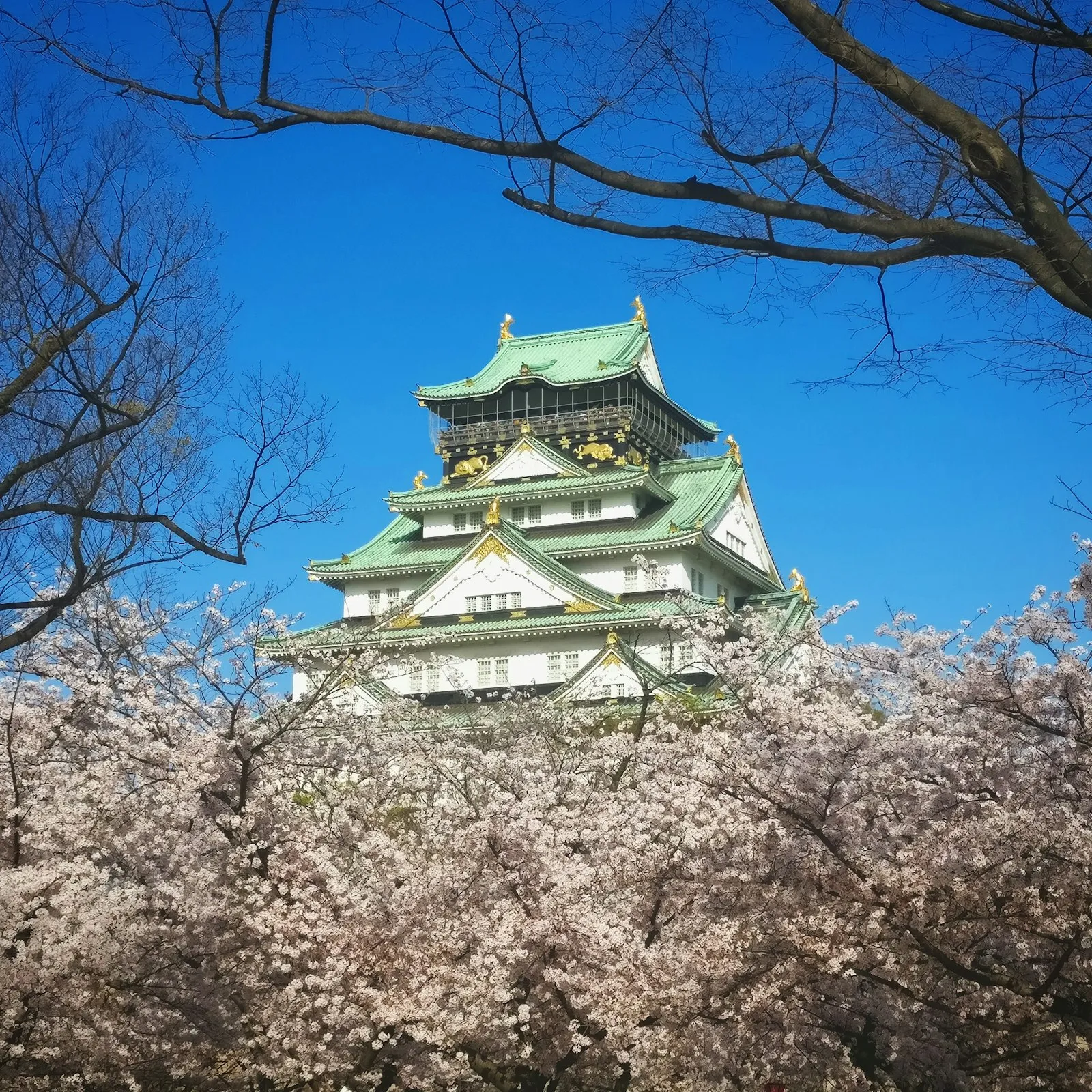
Kansai is the other half of a first trip to Japan, the one that balances Tokyo. Seven prefectures make it up: Hyogo, Kyoto, Mie, Nara, Osaka, Shiga and Wakayama, and it is the second most populated region in the country. The Osaka Plain sits at its core, with the Keihanshin metropolitan area tying Osaka, Kobe and Kyoto into one working whole. Kobe and Himeji run west along the Inland Sea, and Lake Biwa, the largest lake in Japan, lies to the east. Everything named here is reachable from a single base.
Kyoto
Kyoto was the capital from 794 to 1868, and 17 of its monuments carry a UNESCO listing between them. That density is the appeal and the problem: everyone wants the same shrines at blossom and at leaf-fall, so book early and start at dawn, which is when the famous places are still quiet. Getting around is the city's weak point, with crowded buses and only two subway lines, so plan in neighbourhoods rather than crossing town twice. Kaiseki, the long seasonal meal, is a Kyoto speciality, and reserving it well ahead is normal.
Osaka and Kobe
Osaka is the eating city, and it is the reason a lot of people come to Kansai at all. Takoyaki and okonomiyaki are its own dishes, Dotonbori is the street they are sold on, and the whole place runs louder and looser than Kyoto. Kobe sits half an hour west along the bay and gives its name to the beef, which is the thing most visitors go for. Between the two you get the region's range in a single day: a formal counter lunch in Kobe, a canal-side stall dinner in Osaka, and cash in your pocket for the small places that still prefer it.
Nara, Himeji and Koyasan
Three more places fill out the region. Nara has the deer park and the Great Buddha, and it is the easiest half day from either Kyoto or Osaka. Himeji, west in Hyogo, has the castle, listed by UNESCO and the one everybody pictures when they picture a Japanese castle. Koyasan, up in the mountains of Wakayama, is the temple-lodging trip: you sleep in a working monastery, eat what the monks eat and join the morning service if you want to. It is the one that takes an overnight rather than a day, and the one people come back talking about.
Getting there, when to go and staying connected
Kansai International is 38 km south-west of Osaka Station, and the Haruka runs from it to Kyoto in about 1 hour 20 minutes. Kyoto and Osaka are fifteen minutes apart, which is why you can base yourself in either and still see both properly. From Tokyo, the shinkansen takes around two and a half hours to Kyoto. Blossom in late March and April and autumn colour from late October to early December are the two peaks, and Kyoto is where everyone wants them, so book early. Golden Week, Obon in mid-August and New Year fill the trains. Goodbars sells a Japan eSIM you install at home and switch on when you land; which network carries it, and how fast, we publish only once we have verified it ourselves.
Common questions
What is the Kansai region?
Japan's second most populated region: Hyogo, Kyoto, Mie, Nara, Osaka, Shiga and Wakayama. Its core is the Osaka Plain and the Keihanshin metropolitan area, which ties Osaka, Kobe and Kyoto together.
How do I get from Kansai airport to Kyoto?
Take the Haruka: it runs from Kansai International to Kyoto in about 1 hour 20 minutes. The airport is 38 km south-west of Osaka Station, so Osaka is the shorter hop if that is your base.
Should I base myself in Kyoto or Osaka?
Either, since they are fifteen minutes apart. Kyoto gives you the shrines and temples on your doorstep, Osaka the food and the cheaper beds; the fifteen-minute hop means you do not have to choose.
When is the best time to visit Kansai?
Late March into April for blossom and late October to early December for autumn colour, and Kyoto is where everyone wants both, so book early and start at dawn. The tsuyu rains run early June to mid-July and typhoon season June to December, peaking July to September.
Will my phone work around Kansai?
Kyoto, Osaka and Kobe are the easy part; for Koyasan and the mountain roads of Wakayama, download your maps and your temple booking before you go up. Goodbars sells a Japan eSIM you install at home and switch on when you land; which network carries it, and how fast, we publish only once we have verified it ourselves.
On the map
Install before landingLAND ONLINE
Set up your eSIM at home and step off the plane already connected. No counter, no passport handed over, no queue.
See the plans- No ID needed
- No contract
- Instant email delivery
- Works on arrival