
Japan travel guide
Japan had 42.7 million visitors in 2025, more than ever, and nearly all of them ride the same line between Tokyo, Kyoto and Osaka. It is the country where the trains run to the minute and the menus do not translate themselves. This is the honest version: what the border asks of you, how you get in from Narita, and why your phone is the most used thing in your pocket here.
The golden route, and what to add to it
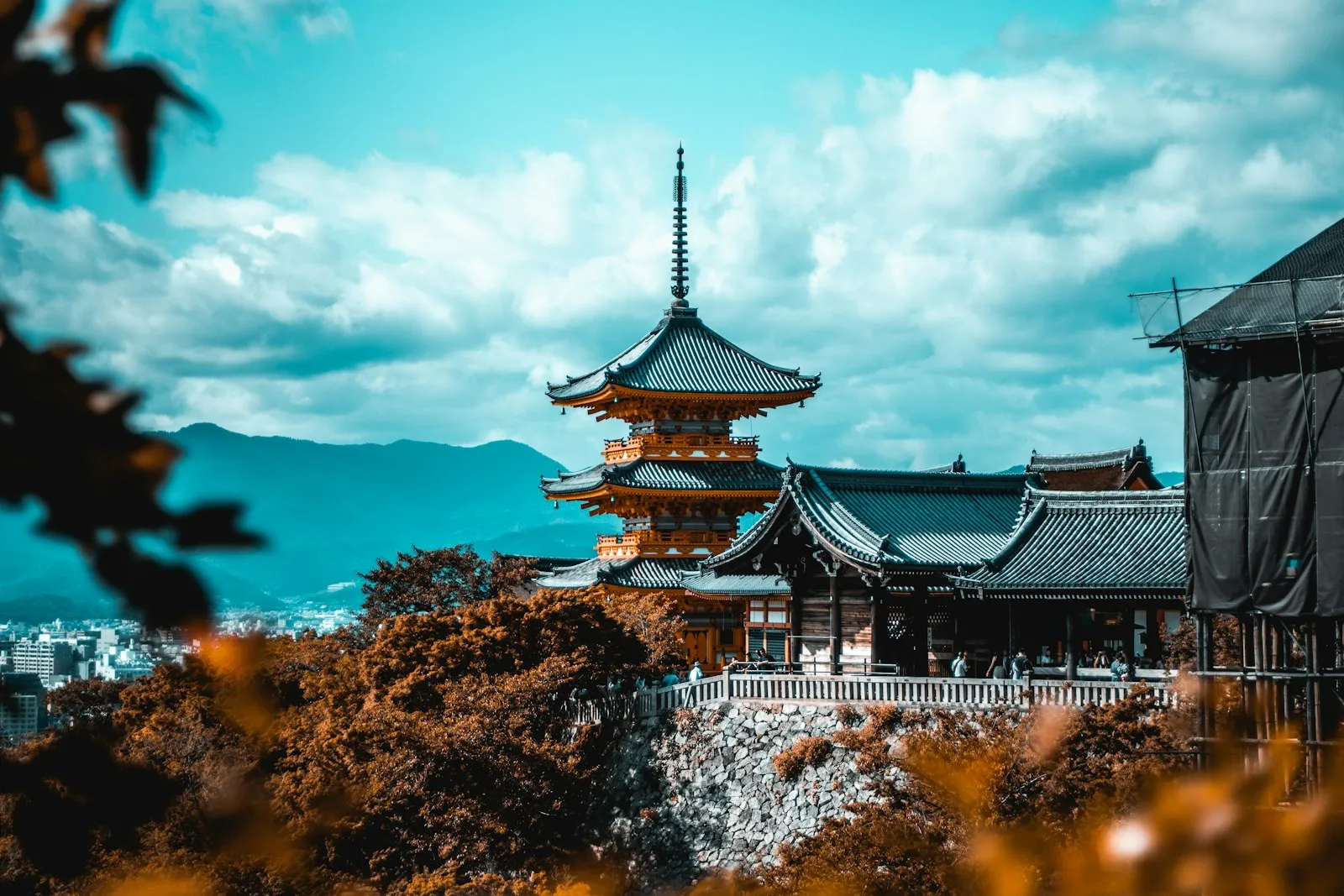
Tokyo, Kyoto and Osaka in that order is the route most first visits take, and it earns its reputation: the capital's scale and neighbourhoods, Kyoto's temples and the old streets of Gion, Osaka's food and the easy day trips to Nara and Hiroshima. The shinkansen joins Tokyo and Kyoto in a little over two hours, and Kyoto and Osaka are fifteen minutes apart, so two weeks covers the three without feeling rushed. Hakone, Kanazawa and the Kii peninsula are the usual additions; Hokkaido in winter and Okinawa in summer are separate trips.
Two things surprise Europeans: how far cash still goes at small restaurants and shrines, and how much walking there is. Both are easier with a map, a translation camera and the train app open.
What the border asks of you
European passports enter Japan without a visa for stays up to 90 days as temporary visitors; the Ministry of Foreign Affairs keeps the list. Visit Japan Web, the Digital Agency's service, lets you do the immigration and customs steps online before you land and show a QR code at the desk, and visitors can also use it for tax-free shopping; it is worth the ten minutes on home Wi-Fi. Immigration photographs and fingerprints every foreign visitor; keep the stamped passport, since hotels and tax-free counters ask to see it. Japan plans an electronic travel authorisation, JESTA, which its immigration agency aims to introduce in fiscal year 2028; it does not exist yet, so there is nothing to apply for.
Landing at Narita
Narita is the airport most long-haul flights from Europe use: about 60 km east of central Tokyo and 42 million passengers in 2025. Two trains make the difference: the Narita Express to Tokyo Station and Shinjuku in about an hour, and the Keisei Skyliner to Ueno in around forty minutes; both leave from the station under the terminals and both sell tickets to foreign visitors at a discount. A taxi is a long, expensive ride, and the limousine buses are the fallback when you have too many bags. Haneda, closer to the city, serves the other half of the flights. Operator counters and vending machines in arrivals sell tourist SIMs; an eSIM installed at home is the queue you skip, and the train app needs it before you have found the platform.
When to go, and why the phone never leaves your hand
Spring and autumn are the seasons Japan is famous for, and the ones to book early: cherry blossom from mid-March into April, autumn colour from late October to early December, and both move a little each year. Summer is the hard one. The rainy season, tsuyu, sits over most of the country from early June to mid-July; August in Tokyo averages a daily high above 31°C with humidity to match; and typhoons track across the islands from June to December, peaking from July to September, when a train line or a flight can be cancelled with a day's notice. Winter is dry and clear on the Pacific side, and the cheapest time for the golden route.
Nowhere else does a traveller's phone work as hard. Station names switch to Roman letters, but platforms, exits and ticket machines are a maze the transit app solves; menus, signs and vending machines are where the translation camera pays for itself; restaurants, ryokan and even shrines run on QR reservations; and a typhoon warning arrives as an alert. Goodbars sells a Japan eSIM you install before you fly and switch on when you land. It runs on NTT docomo, Japan's largest mobile network by mobile contracts, and our Japan coverage page shows where it reaches and what independent speed tests measure.
Common questions
Do I need a visa for Japan?
Not with an EU passport, for stays up to 90 days. Visit Japan Web lets you do the immigration and customs steps online before you land.
Narita or Haneda?
Whichever your airline flies; you rarely get to choose. Haneda is closer to the city, Narita is an hour out by Narita Express or Skyliner, and both have trains under the terminals.
Which network does the Goodbars Japan eSIM use?
It runs on NTT docomo, Japan's largest mobile network by mobile contracts. Our Japan coverage page shows where it reaches and what independent speed tests measure.
Does the eSIM work on the shinkansen?
Mobile data on the shinkansen depends on the network and the tunnels, so we will not promise an unbroken connection; our Japan coverage page shows where NTT docomo reaches, with the operator's and independent figures and their sources. For the stretches where the signal drops, download what you need before you board rather than counting on Wi-Fi on the train.
Where do I start?
With the eSIM installed the night before and Visit Japan Web filled in at home. Then Tokyo for four or five days, the shinkansen to Kyoto, and Osaka to finish.
On the map
Install before landingLAND ONLINE
Set up your eSIM at home and step off the plane already connected. No counter, no passport handed over, no queue.
See the plans- No ID needed
- No contract
- Instant email delivery
- Works on arrival