
The short answer
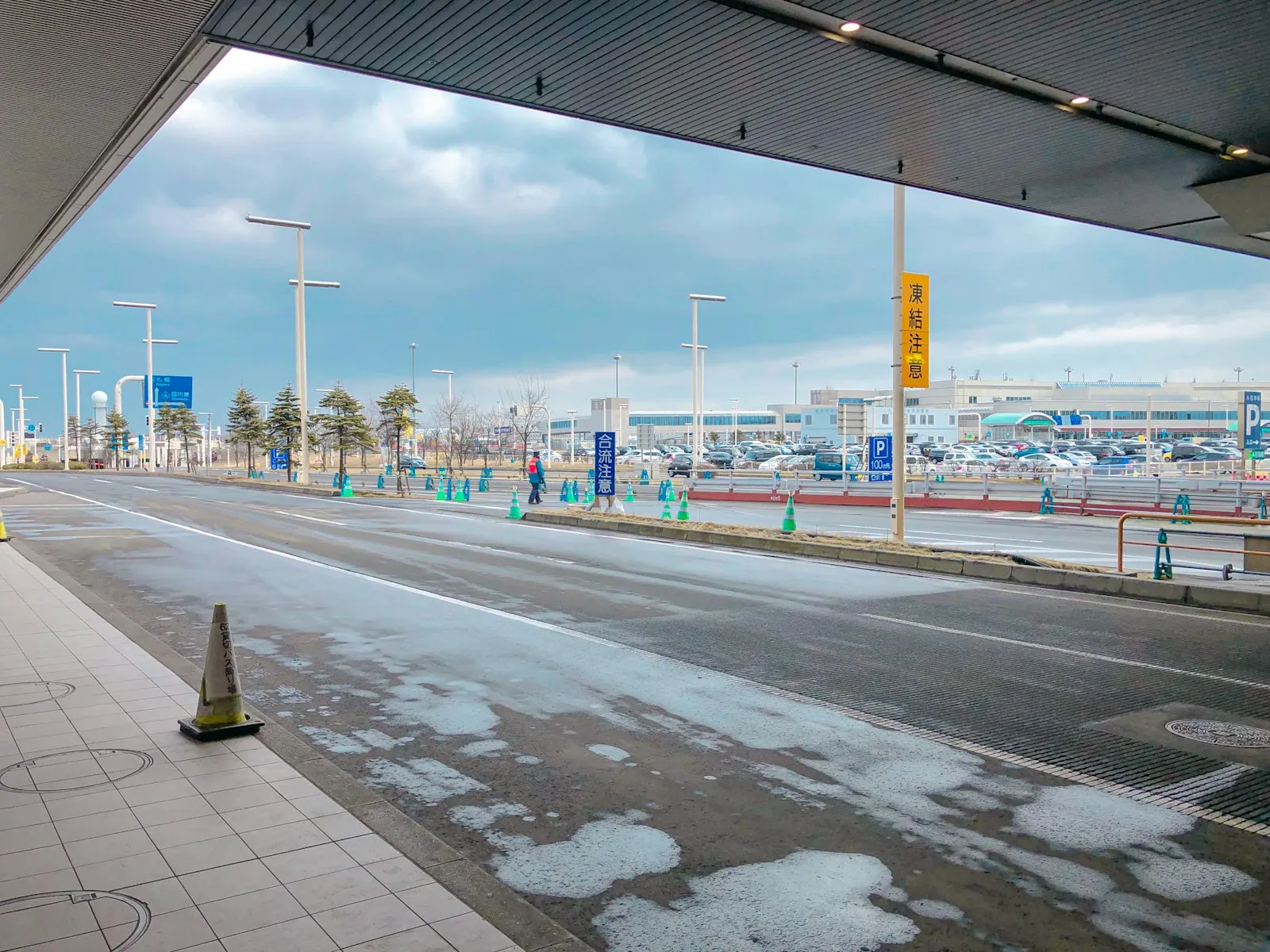
Install your eSIM at home, switch it on when the plane door opens, and have the route to your hotel saved before you land. New Chitose Airport, IATA code CTS, sits 5 km south-southeast of Chitose and Tomakomai in Hokkaido and serves the Sapporo metropolitan area. It is the largest airport on the island by traffic and by land area, and the fifth busiest in Japan, with 23.7 million passengers in 2018. It opened on 20 July 1988, the international terminal followed on 26 March 2010, and the Sapporo to Tokyo Haneda route is the second busiest air route in the world, with 12.1 million passengers in 2025.
Immigration comes first
EU and Turkish passports enter visa-free for stays of up to 90 days as temporary visitors. Immigration photographs and fingerprints every foreign visitor, so the queue moves steadily rather than fast. Visit Japan Web, the Digital Agency's service, lets you do the immigration and customs steps online before you land and gives you a QR code to show at the desk; it also covers tax-free shopping during your stay.
Two rules from the UK Foreign Office are worth knowing before you land: you must carry your passport at all times, and some common prescription and over-the-counter medicines are illegal to bring in, so check yours before you pack.
Into Sapporo and on to the snow
The fastest train from the airport reaches Sapporo Station in 37 minutes on the Rapid Airport service, and Otaru in 73. That is the easy leg. The harder one is whatever comes after it: the ski towns, Niseko among them, are a further transfer, and Niseko in tourism usage covers five municipalities around the Niseko mountain range, so check which resort your booking actually means. We do not list lines or fares: check the route from the airport to your accommodation before you fly and save it offline. A Suica or Pasmo IC card pays for local trains and buses nationwide.
Getting online the moment you land
An eSIM is a profile, not a card: scan it at home on Wi-Fi, leave it off for the flight, and switch it on when the plane door opens. Winter is the reason to bother here. New Chitose is one of six 24-hour airports in Japan and the only inland one, but it still has a daily opening-hours limit, and winter weather can close runways; the neighbouring air base's runways are sometimes used to relieve those closures. Changes reach you as messages, and a phone that is already connected gets them while you are still at the gate. Goodbars sells a Japan eSIM you install at home and switch on when you land; it runs on NTT docomo, Japan's largest mobile network by mobile contracts, and our Japan coverage page shows where it reaches and what independent speed tests measure. Your phone has to support eSIM and must not be network-locked.
SIM cards and pocket Wi-Fi
Renting a pocket Wi-Fi is a real habit for visitors to Japan: you book online, collect the router, share it across your group and hand it back before you fly home. Hokkaido adds a wrinkle, because a ski group splits up the moment it reaches the mountain, and one shared router leaves someone offline on a lift. We have not documented the rental or SIM counters at New Chitose ourselves, so confirm with the rental company where you collect and return, and check the same for a local prepaid SIM. If your trip ends at a different airport, confirm that too before you pay.