The short answer
Japan uses type A and type B sockets, the flat two-pin kind, at 100 volts. A European plug does not fit, so pack a small adapter, and a second one if you charge more than one thing overnight. Most phone and laptop chargers take 100 volts without noticing, because they are built for a range of voltages. What suffers is anything with a heating element or a motor that expects 220 to 240 volts: a hair dryer or a pair of straighteners will run weakly or not at all. The mains frequency also changes halfway across the country, 50 Hz in the east and 60 Hz in the west, which almost nothing in your bag will care about.
Type A and type B: what the sockets look like
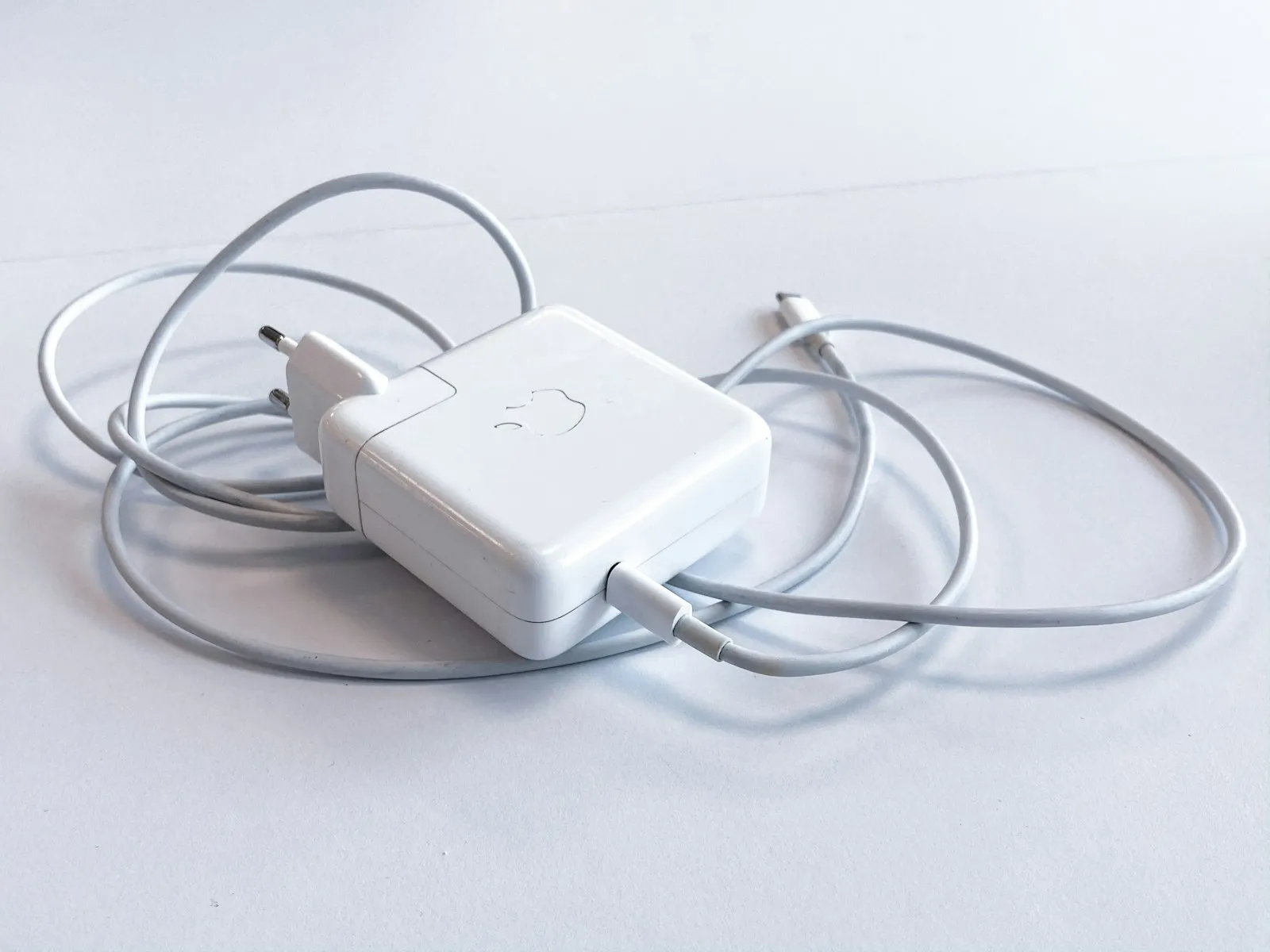
Type A is two flat parallel pins; type B is the same pair with a round earth pin below. Both are in use in Japan, and plenty of older sockets take type A only, so an earthed plug may refuse to go in where a two-pin one slides home. That is usually why a travel adapter that worked in a new hotel fails in an old guest house.
Buy an adapter that gives you type A rather than one that only offers type B, and check your laptop brick while you are at it: many have a detachable earthed lead, and swapping that for a simple two-pin cable removes the problem entirely. Hotels often keep spare adapters at reception, but that is a favour, not a plan.
A hundred volts, and what it does to a hair dryer
Japan runs at 100 volts, lower than anywhere in Europe. Read the small print on your charger: if it says 100 to 240 V, it is content, and that covers nearly every phone, tablet, camera and laptop power supply made in the last decade. Those only need the plug shape changed, which is all an adapter does.
The devices that struggle are the ones turning electricity into heat or motion. A hair dryer, straighteners, a travel kettle or a shaver built only for 230 V will either run feebly at 100 V or refuse to start, and a plug adapter cannot help, because it does not change the voltage. Leave the hair tools at home and use the hotel's, or buy a cheap local one if you are staying a while.
Fifty hertz east, sixty hertz west
Japan is split down the middle by mains frequency: 50 Hz in the east, Tokyo included, and 60 Hz in the west, Osaka included. It is a real oddity rather than a rounding error, and it is why the two halves of the grid cannot simply pass power to each other the way neighbouring countries in Europe do.
For a traveller it almost never matters. The small black bricks on your phone and laptop cables work on either frequency and have no opinion about which side of the line you are standing on. The things that would notice are mains-powered devices with motors or mechanical clocks in them, and that is not what is in your hand luggage. Ride the shinkansen from Tokyo to Osaka without giving it a thought.
What to pack, and staying charged
Pack two adapters, not one. A Japanese hotel room can be small and short of sockets, and you will want the phone, the watch, the camera and the battery pack all fed overnight. A multi-port USB charger with a type A plug, or one adapter plus a short extension lead from home, turns a single socket into four and weighs almost nothing in a bag.
The other half of arriving ready is the SIM. Goodbars sells a Japan eSIM you install at home and switch on when you land; it runs on NTT docomo, Japan's largest mobile network by mobile contracts, and our Japan coverage page shows where it reaches and what independent speed tests measure. Do the install while you still have wi-fi and a full battery, and charge the phone on the plane, so the first thing you do in Japan is not hunt for a power point.