The short answer
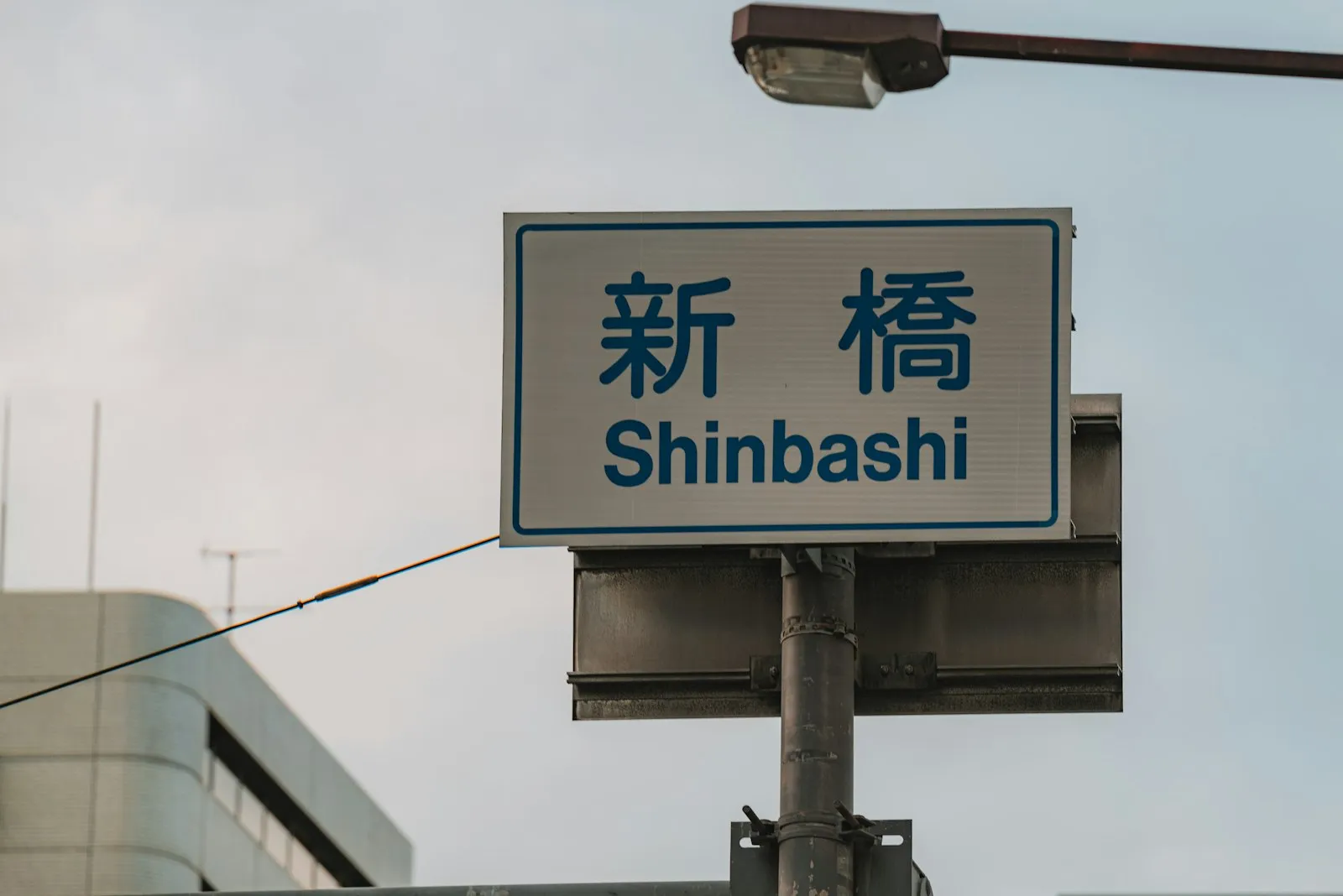
You can travel Japan on a handful of phrases, and one of them does most of the work: sumimasen. It covers excuse me, sorry, and getting a waiter's attention, and it will carry you through more situations than anything else you learn. Add konnichiwa, arigatou gozaimasu and onegaishimasu and you have the shape of a polite exchange. Station names are romanised and the major signage is bilingual, so getting around reads more easily than eating does, because menus often are not translated. Your phone's translation camera closes that gap, on menus and vending machines alike.
Sumimasen: the word that does everything
Sumimasen is the most useful word in the language for a visitor. It means excuse me and it means sorry. It is how you stop a passer-by to ask something, how you call a waiter across a room, how you apologise for standing in a doorway, and how you acknowledge a small trouble somebody went to for you. Learn it first and say it often.
Two more words work alongside it. Onegaishimasu is the polite please that closes a request, so pointing at a menu and saying it gets you fed. Arigatou gozaimasu is the full thank you rather than the clipped arigatou, and the longer form costs nothing. Japanese has a genuinely complex honorific system underneath all this, and a visitor is not expected to navigate it: the polite forms above are plenty.
The phrases worth carrying
A short list covers most of a trip. Konnichiwa, hello. Arigatou gozaimasu, thank you. Sumimasen, excuse me and sorry. Onegaishimasu, please. Eigo no menyu wa arimasu ka, do you have an English menu. Ikura desu ka, how much is it. Oishii, delicious, said while you are eating rather than afterwards. Okaikei onegaishimasu, the bill please. Toire wa doko desu ka, where is the toilet.
Say them plainly, without trying to bend your accent into something Japanese. The point is not fluency, it is that you made the attempt, and the response is usually warmer than the effort deserves. When a phrase does not land, point. Pointing at the thing you mean is not rude here, and it unsticks a conversation far faster than repeating yourself more loudly.
Three scripts, and what you can actually read
Japanese is written in three systems at once: kanji, the characters taken from Chinese, plus two syllabaries, hiragana and katakana. Around 123 million people speak the language. You are not going to learn the writing on a two-week trip, and you do not need to: station names are romanised and the major signage is bilingual, so the transport network is readable from the first day.
Menus are where that stops. Plenty of small restaurants carry no English at all, which is exactly where eigo no menyu wa arimasu ka earns its keep. Katakana is the one script worth ten minutes of your time, because it spells out foreign words: once you can sound it out, a good number of menu items turn into words you already know.
The phone in your hand
Your phone's translation camera is the single best language tool you can bring. Point it at a menu and the dish names resolve; point it at a vending machine and the buttons do. It is also the fastest way through a ticket machine or a label in a convenience store. Use it alongside the phrases and the pointing rather than instead of them, and a stuck exchange usually unsticks within a few seconds.
All of that needs a connection from the moment you land. Goodbars sells a Japan eSIM you install at home and switch on when you land; it runs on NTT docomo, Japan's largest mobile network by mobile contracts, and our Japan coverage page shows where it reaches and what independent speed tests measure. Download an offline translation pack as well, so the camera still works in a basement restaurant where nothing has a signal.