What actually goes wrong here
Japan is not a country where you spend the trip worrying about the water. It has achieved universal access to water supply and sanitation, has one of the lowest levels of distribution loss in the world, and regularly exceeds its own strict standards for the quality of drinking water. So drink from the tap, fill your bottle, and spend the attention elsewhere. The things that do catch visitors are the summer heat, which the UK FCDO describes as often exceeding 35 degrees in July and August, an allergy you cannot explain to a kitchen with no English menu, and the medicines that are illegal to bring into the country. Ambulance is 119. None of this is medical advice.
The tap water, and why it is fine
Water supply in Japan is run by thousands of municipal utilities, and the country has achieved universal access to water supply and sanitation, keeps distribution losses among the lowest in the world, and regularly exceeds its own strict drinking-water standards. The scale is easy to underestimate: Lake Biwa alone supplies drinking water to more than 15 million people in the Kyoto, Osaka and Kobe region. Practically, this means the tap in your hotel bathroom, the drinking fountain in a park and the water a restaurant puts on your table with ice are all the same water. Bring a refillable bottle and skip buying plastic ones. The country's own challenges, ageing pipes and a shrinking population, are long-term public policy, not a traveller's problem this week.
Raw fish, convenience stores and what to trust
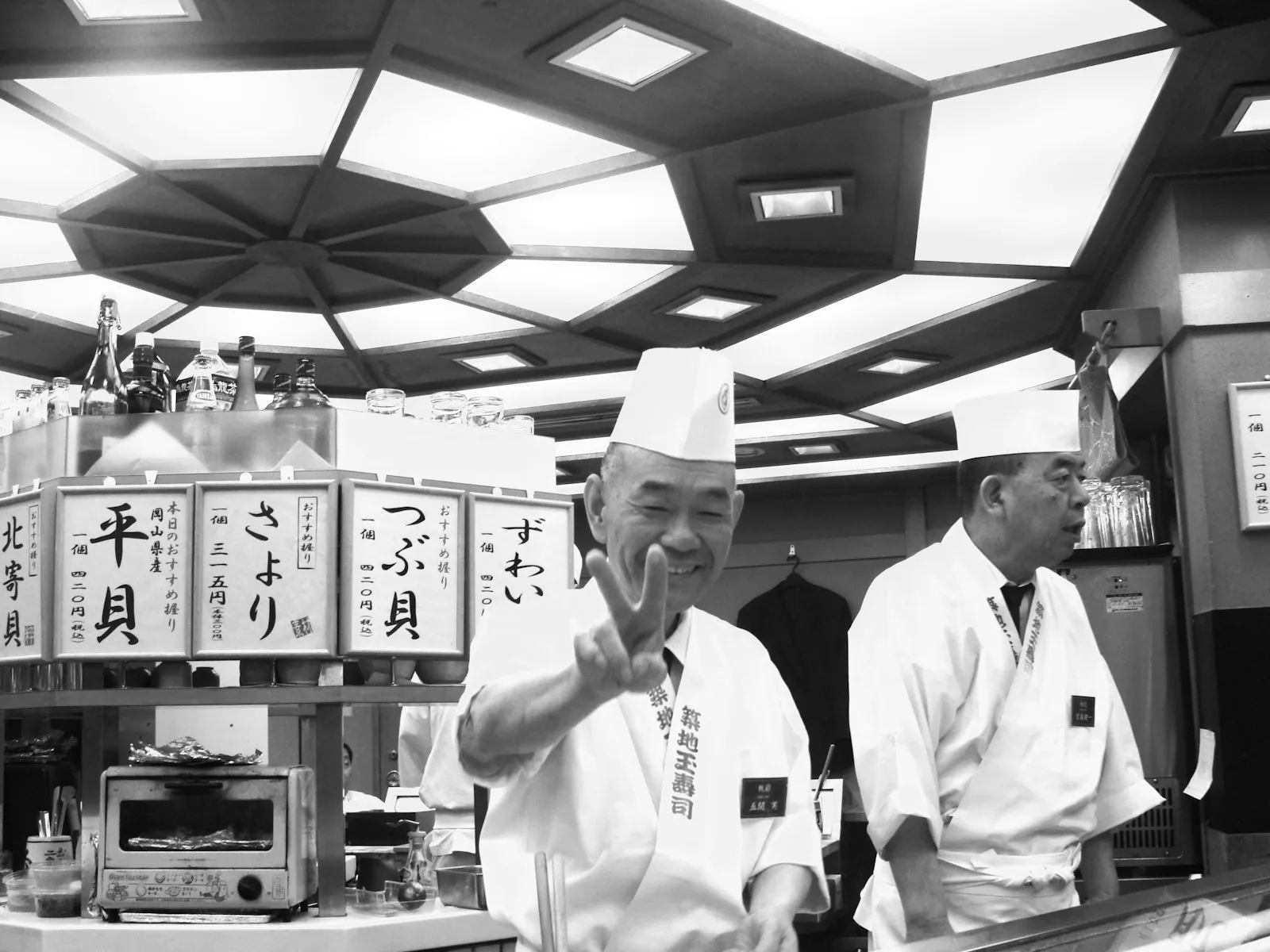
Sashimi and sushi are ordinary food in Japan, not a dare, and the places that sell them do so all day every day. We have no measured food-safety figures to quote for any restaurant, so we will not pretend otherwise: choose places with turnover, eat what is put in front of you, and if you are pregnant, immunosuppressed or otherwise advised to avoid raw fish at home, that advice does not change because you crossed a border. Convenience-store food is genuinely good here and everything carries a date on the pack, which makes it the easiest late-night option. Ticket-machine ramen shops take the ordering problem away entirely: you pay the machine, hand over the ticket, and eat.
Heat is the bigger summer risk
If something spoils a Japanese summer it is the temperature, not the food. The UK FCDO notes temperatures often exceeding 35 degrees in July and August, and the Japan Meteorological Agency's Tokyo normals put the mean daily high at 31.3 degrees in August and 29.9 in July. Add humidity and a day of temple steps and the maths turns unpleasant fast. Drink more than you think you need, which is easy in a country of vending machines and safe taps, take the middle of the day indoors, and treat an air-conditioned department store or museum as a scheduled stop rather than a failure of ambition. Children and older travellers feel it first.
Allergies, and the language problem
Signage in Japan is often bilingual, but menus frequently are not, and that is the gap where an allergy gets dangerous. Two things help. Learn the question: eigo no menyu wa arimasu ka, do you have an English menu. And carry your allergy written out in Japanese on your phone, made before you fly rather than typed at the counter with a queue behind you. A translation camera app handles a printed menu or a vending machine well enough to spot an ingredient, and sumimasen, excuse me, opens every conversation you need to start. Vegetarian and halal eating is harder outside the big cities, so plan those days rather than improvising them.
If it goes wrong: 119, and the medicines rule
Dial 119 and ask for an ambulance. Medical facilities in Japan are of a high quality, says the UK FCDO, but treatment is expensive and you should expect to pay the whole cost of any treatment you receive; facilities may check your insurance, which could delay your treatment. So carry your policy details where you can find them in a hurry. The other half of this page is what you brought with you: it is illegal to carry some common prescription and over-the-counter medicines into Japan under its strictly enforced law on anti-stimulant drugs, and people have been detained and deported. Read our page on bringing medication into Japan before you pack, not after.