The short answer
Open your washbag before you book anything else, because Japan treats several ordinary medicines as controlled stimulants. The UK FCDO's list is short and specific: Vicks inhalers, medicines for allergies and sinus problems, cold and flu medication containing pseudoephedrine, and some over-the-counter painkillers containing codeine. It adds that foreign nationals have been detained and deported for these offences. There is no leniency for not knowing: ignorance of the law does not count as a defence. The instruction is to check the status of your medication with the Japanese embassy before you travel, and to do it early enough that a slow answer does not become a cancelled flight.
The law, and the list
Japan has a strictly enforced law on anti-stimulant drugs, and it does not care whether a product is sold freely at home. The FCDO names four categories. Vicks inhalers, the small plastic nasal sticks. Medicines for allergies and sinus problems, which sweeps in a lot of hay-fever tablets and decongestant sprays. Cold and flu medication containing pseudoephedrine, the ingredient behind most blocked-nose remedies. And some over-the-counter painkillers containing codeine. The FCDO's safety page puts it as plainly as it can: it is illegal to possess or use some common prescription and over-the-counter medicines under Japan's law on anti-stimulant drugs. Possess, not just import. That is why the hotel drawer is not a workaround.
What happens if you get it wrong
The FCDO states that foreign nationals have been detained and deported for these offences, and that ignorance of the law does not count as a defence. Read that alongside two other rules it gives for Japan. You can be arrested and detained without charge for up to 23 days, even for minor offences. And you must always carry your passport or residence card, because the police can arrest you if you cannot show proof of your status. Put together, a forgotten box of cold tablets is not a fine and a shrug. The upside is that the whole problem is avoidable at home, in an afternoon, with a list and an email.
What to do before you fly
Start with a list, not a search engine. Write down every medicine you plan to carry, prescription and otherwise, with the active ingredients from the box rather than the brand name, because the brand differs country to country and the ingredient does not. Then do what the FCDO tells you to do: if you are travelling with medication, check its status with the Japanese embassy. Ask the embassy in your own country, in writing, and ask about the specific ingredient and the quantity. TravelHealthPro's guidance on best practice when travelling with medicines is the other reading the FCDO points at. Give this weeks, not days, and do it before you buy a non-refundable ticket.
The prescriptions you actually need
Most people travel with something they cannot simply drop for two weeks, and the answer is not to leave it behind on a guess. Keep medicines in their original packaging with the pharmacy label attached, carry a copy of the prescription, and put the whole lot in your hand luggage rather than the hold. If the embassy tells you that a particular medicine needs a permission of some kind, ask them what that permission is, how long it takes and where to apply, and keep their reply on your phone. We are not going to describe an application process we have not read, and neither should any blog. Where the answer is that a drug cannot come in, ask your own doctor about an alternative rather than repacking hopefully.
Once you are there
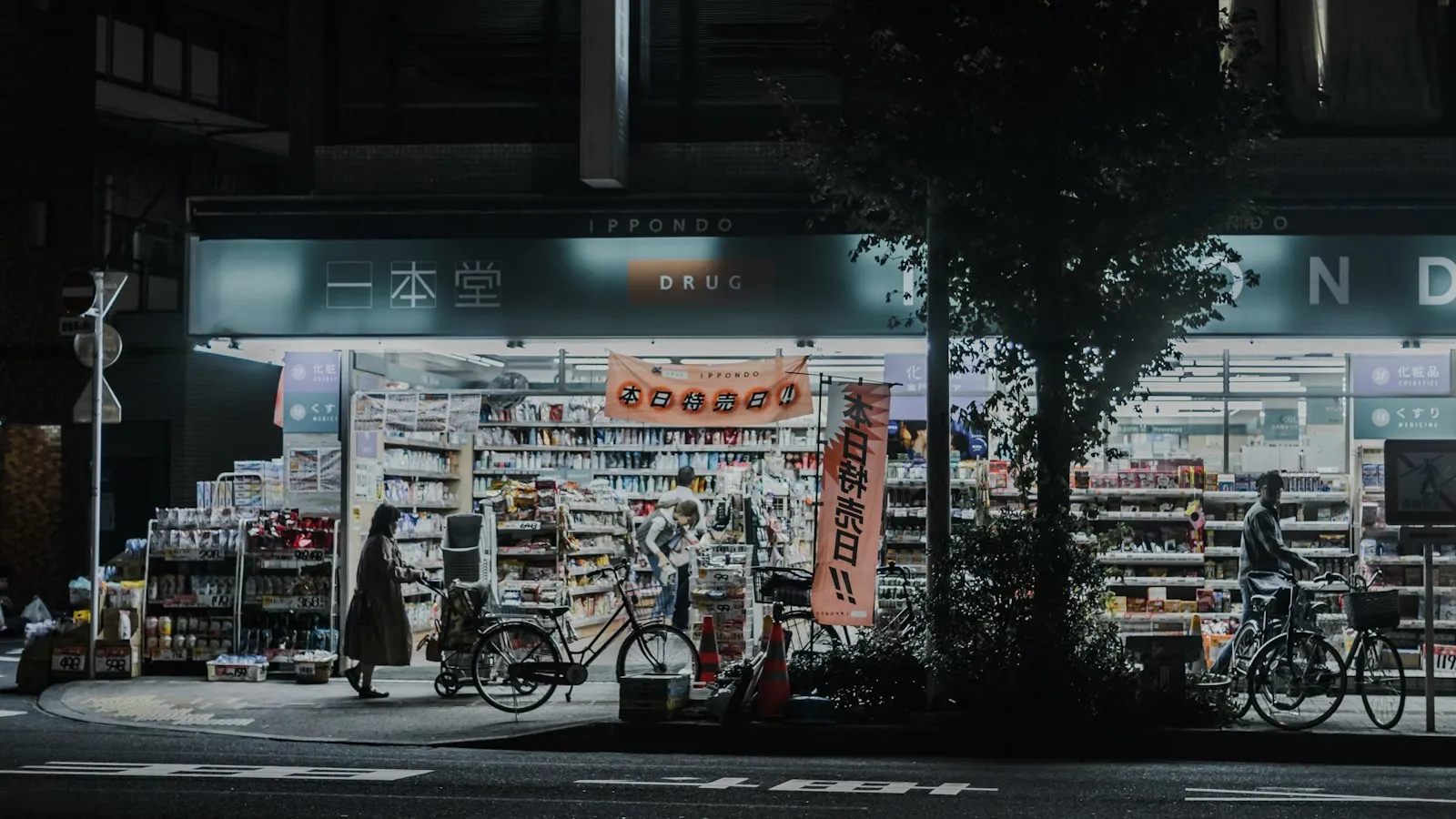
The simplest way to stay on the right side of this law is to buy what you need in Japan instead of carrying it in. If a cold arrives mid-trip, a Japanese pharmacy will sell you a Japanese product that is legal in Japan, which is the whole problem solved. Take a photo of the packet if you want to tell a doctor later what you took. If something more serious happens, dial 119 and ask for an ambulance; medical facilities are of a high quality but treatment is expensive and you should expect to pay the whole cost. And keep your passport on you every day, because the same advice that covers medicines also says the police can arrest you if you cannot show your status.