
Nikkō
Nikkō, about 140 km north of Tokyo, holds the mausoleum of Tokugawa Ieyasu and a forest of shrines and temples that UNESCO listed in 1999, and the saying goes that you should never call anything splendid until you have seen it.
Nikkō in a nutshell
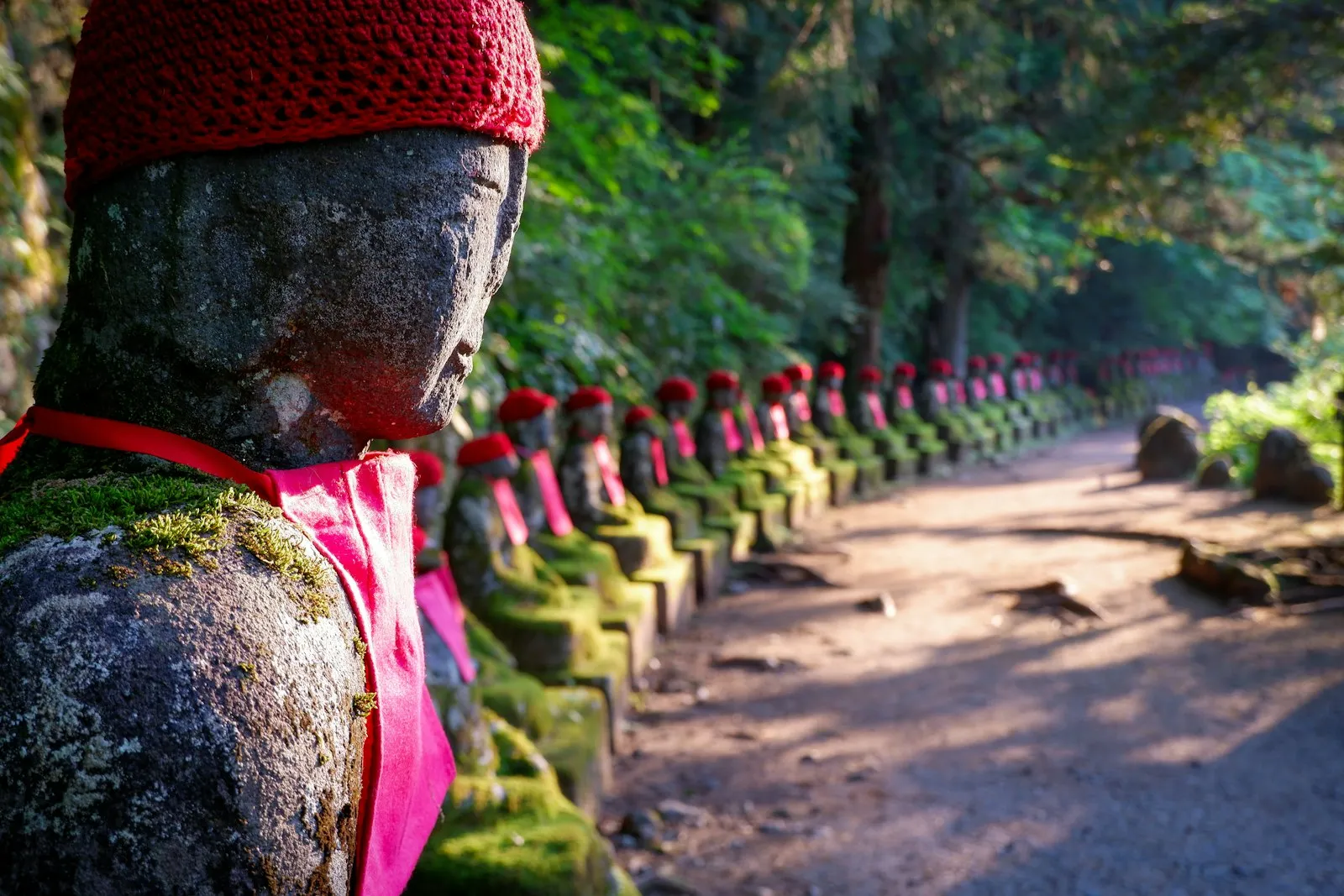
Nikkō is a city in Tochigi Prefecture, about 140 km north of Tokyo, and a huge one on the map: 1,449.83 square kilometres of mostly rural mountain country, home to 80,239 people in 2020. The draw is a hillside of shrines and temples in the forest. In 1999, 103 structural sites among the Shrines and Temples of Nikkō were inscribed on the UNESCO World Heritage List, and the local saying tells you never to say kekkō, splendid, until you have seen Nikkō. Add hot springs in the hills and elevations from 200 to 2,000 metres, and it is the ambitious day out of Tokyo.
The shrines and temples
Nikkō Tōshō-gū is the mausoleum of the shōgun Tokugawa Ieyasu, completed in 1617, and it drew visitors all through the Edo period. His grandson Iemitsu lies nearby at Taiyū-in. The history goes back much further: the monk Shōdō Shōnin established Rinnō-ji in 766, Futarasan shrine dates to 767, and Chūzen-ji followed in 784. Shrine manners apply here as anywhere: bow at the torii, rinse your hands at the basin, and take your shoes off where a hall asks you to. Beyond the shrines, the higher ground has hot springs and, in autumn, the turning leaves.
Getting there and getting around
Give Nikkō a full day and an early train from Tokyo, or better, a night. It sits about 140 km north of the capital and 35 km west of Utsunomiya, the prefectural capital, so the return needs planning: check the last trains before you set out, not at six in the evening. A Suica or Pasmo IC card covers local trains and buses. Check the route from the station to the shrines in a transit app, wear proper shoes for a town that sits between 200 and 2,000 metres, and keep cash for small restaurants and shrine counters.
When to visit and staying connected
Nikkō is cold. The yearly average is 7.2°C, with August only around 18.8°C and January around minus 3.9°C, and 2,202 mm of rain falls in a year, so take a layer and a rain jacket even in spring. The autumn colour, which in Japan usually runs from late October to early December, brings the crowds that come for it; Golden Week, Obon and New Year fill the trains and inns as well.
Goodbars sells a Japan eSIM you install at home and switch on when you land; it runs on NTT docomo, Japan's largest mobile network by mobile contracts, and our Japan coverage page shows where it reaches and what independent speed tests measure. Renting a pocket Wi-Fi is a long-standing habit for visitors to Japan too, and it suits a group that moves together all day.
Common questions
How far is Nikkō from Tokyo?
About 140 km north, in Tochigi Prefecture. It is a full day with an early start, and the return trains are the part to check before you leave.
What is Nikkō Tōshō-gū?
The mausoleum of the shōgun Tokugawa Ieyasu, completed in 1617. It is part of the Shrines and Temples of Nikkō, whose 103 structural sites were inscribed by UNESCO in 1999.
What should I pack for Nikkō?
A warm layer, a rain jacket and good shoes. The town sits between 200 and 2,000 metres, averages 7.2°C over the year and gets 2,202 mm of rain, so dress for the mountains, not for Tokyo.
Which network does the Goodbars Japan eSIM use in Nikkō?
We have not published that yet. Goodbars sells a Japan eSIM you install at home and switch on when you land; it runs on NTT docomo, Japan's largest mobile network by mobile contracts, and our Japan coverage page shows where it reaches and what independent speed tests measure.
On the map
Install before landingLAND ONLINE
Set up your eSIM at home and step off the plane already connected. No counter, no passport handed over, no queue.
See the plans- No ID needed
- No contract
- Instant email delivery
- Works on arrival