
What Bali belly actually is
Bali belly is the local nickname for traveller's diarrhoea, an upset stomach most people pick up from contaminated food or water rather than anything exotic. It is usually a short bacterial infection, often a strain of E. coli your gut is not used to, though viruses and parasites cause some cases too. The symptoms are the familiar ones: loose stools, cramps, nausea and sometimes a mild fever, starting a day or two after the trigger. Most cases are unpleasant but self-limiting and clear up within a few days. This guide is general travel-health information, not personal medical advice, so treat it as background and let a professional advise on your own situation.
What actually causes it
The usual causes are tap water, ice from unknown sources, unwashed fruit and vegetables, and food that has sat warm for too long. Bali's tap water is not safe to drink, so brushing your teeth with it or swallowing shower water can be enough to start trouble. Salads and cut fruit rinsed in tap water carry the same risk. Buffet dishes and food left at room temperature let bacteria multiply, and reheated seafood is a common culprit. It is rarely one dramatic meal that does it: more often it is small, repeated exposures that your stomach slowly loses to over a few days.
Practical prevention
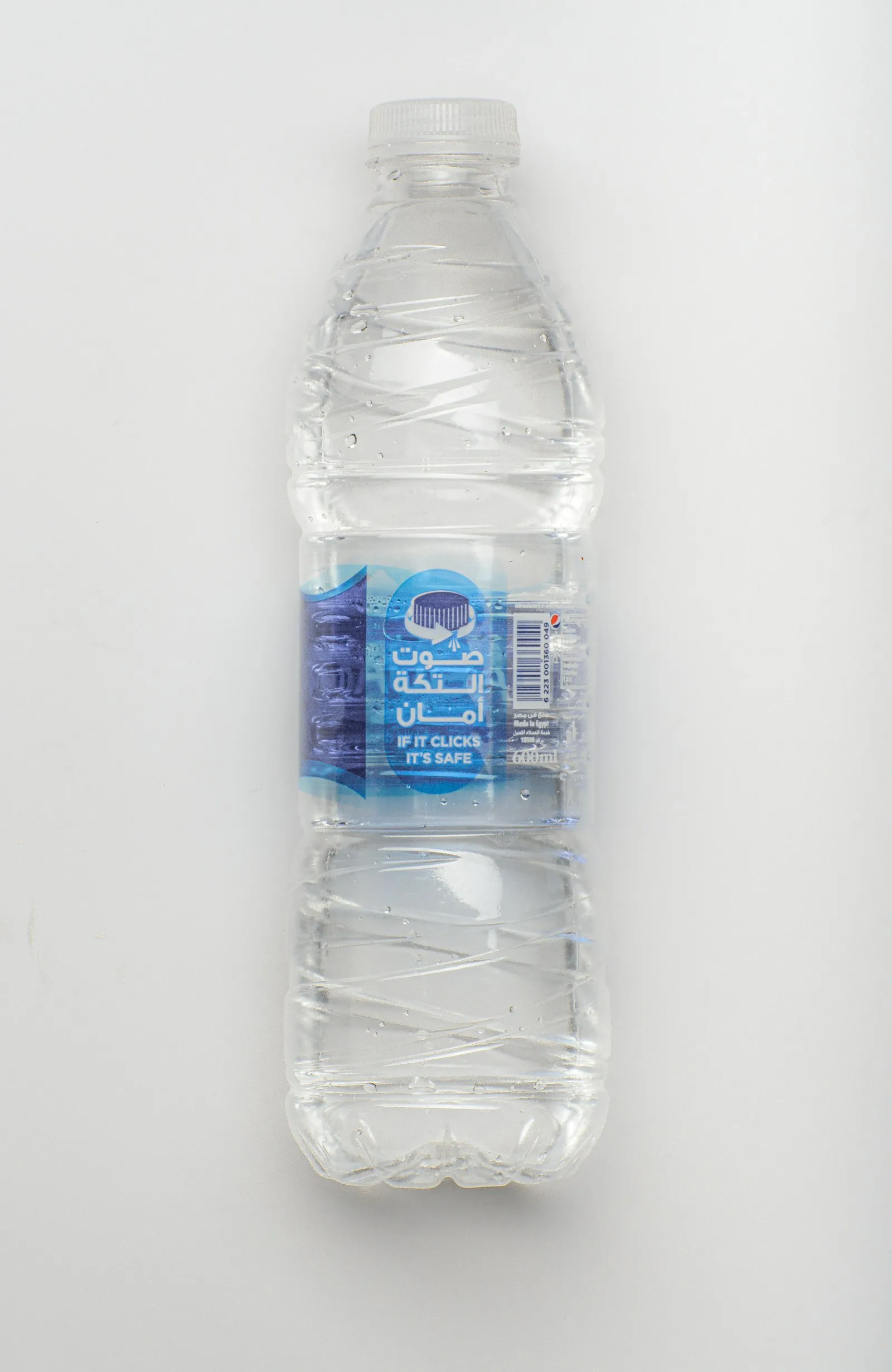
Stick to sealed bottled or properly filtered water, wash your hands often, and favour busy places serving freshly cooked, hot food. Use bottled water for drinking and brushing teeth, and check the seal is intact before you open it. Ice worries people more than it needs to: many established cafes and restaurants use commercially produced ice, though a roadside stall is a bigger gamble. Carry hand sanitiser for before meals, peel fruit yourself, and choose warungs with high turnover where food is cooked to order in front of you. Hot and fresh beats sitting and lukewarm every time.
Treating a mild case
For a mild case the priority is fluids: oral rehydration salts, rest and plain food until your system settles. Diarrhoea and vomiting strip out water and electrolytes faster than plain water replaces them, so oral rehydration salts, sold at pharmacies, are the single most useful thing to have with you. Sip them steadily, rest, and ease back in with bland food like plain rice, toast or bananas. Anti-diarrhoeal tablets can help you survive a long journey but they do not treat the cause. Skip alcohol, coffee and heavy or spicy meals until you feel normal again.
When to see a doctor
See a doctor or clinic promptly for a high fever, blood in your stool, severe stomach pain, signs of dehydration, or symptoms lasting more than a couple of days. These can point to something that needs proper treatment rather than rest and fluids alone. Be quicker to seek help for young children, older travellers, pregnant women and anyone with a health condition, since they dehydrate faster and the stakes are higher. Being online helps here: a working connection lets you look up a nearby clinic, call a doctor, or book a Grab to get there. When in doubt, get seen.
The honest bottom line
Most trips pass with nothing worse than one careful day, and a few simple habits tilt the odds heavily in your favour. Drink sealed water, wash your hands, eat food that is hot and freshly cooked, and pack oral rehydration salts before you fly rather than hunting for them mid-cramp. If it does hit, rest and rehydrate, and do not try to tough out the warning signs above. Remember that this is general information, not a diagnosis: a pharmacist or doctor on the ground can advise for your specific situation far better than any article can.