

Grab and Gojek: what they actually do
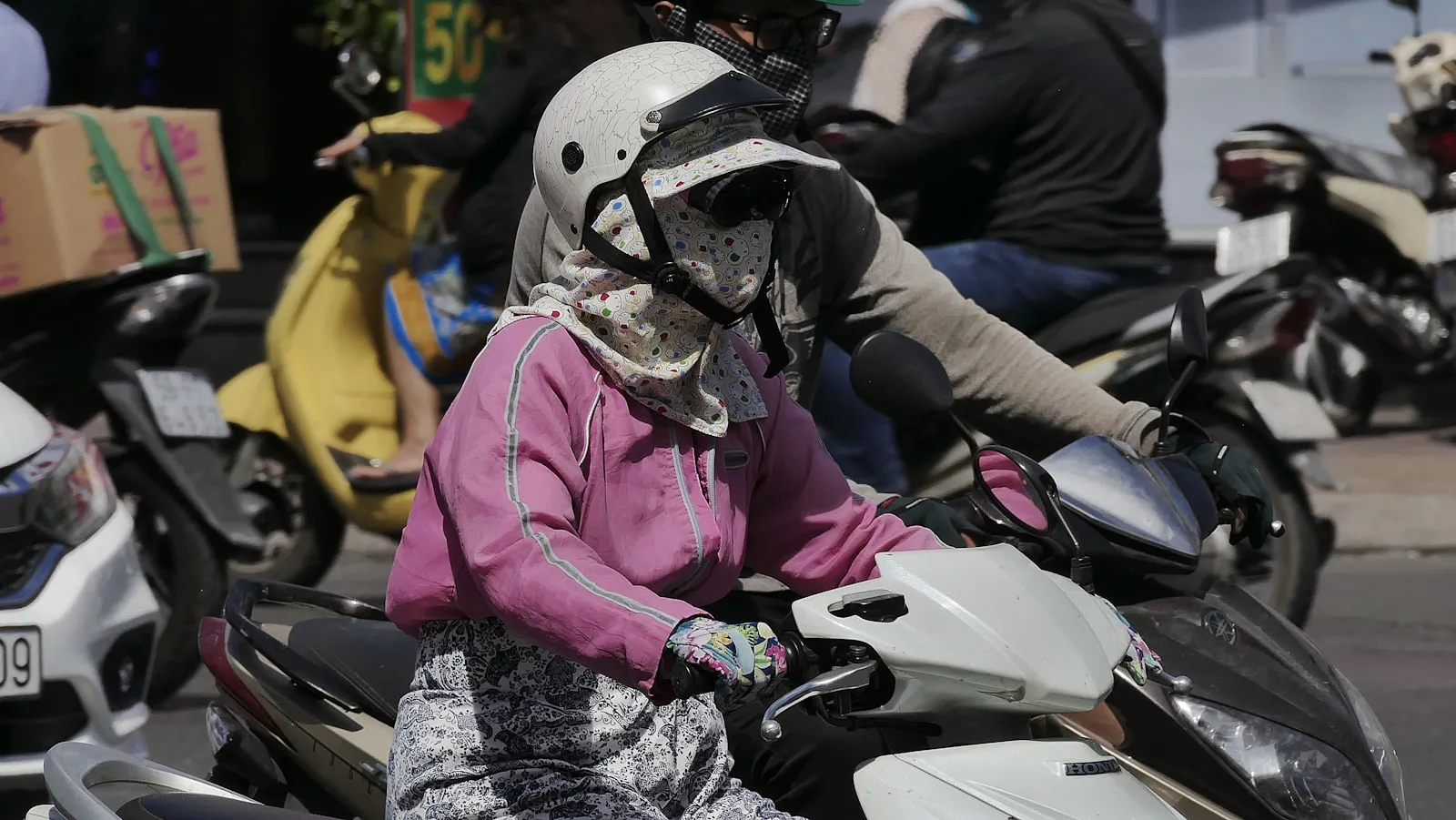
Grab and Gojek are Southeast Asia's two big ride-hailing apps, and in Bali both do far more than cars: each offers a motorbike ride (GrabBike and GoRide) and food delivery (GrabFood and GoFood) in the same app. The motorbike option is the cheapest way to cut across traffic on your own, with a helmet handed to you; the car is what you want with luggage or a group. Most visitors install both apps, because coverage, driver availability and the price for the same trip vary between them from one minute to the next. Gojek is often a touch cheaper, but it is worth checking each before you book.
How cheap they are versus taxis
Both are usually cheaper than a metered street taxi and far cheaper than a driver who quotes a flat price on the pavement, because the fare is fixed in the app before you accept. A short 3 to 5km hop is roughly IDR 20,000 to 50,000, with nothing to negotiate and no meter to watch. The apps show the price up front, so you can compare Grab against Gojek in seconds. The one company whose meter you can trust on the street is Bluebird; the unbranded taxis that copy its blue paint are exactly who the apps save you from.
The no-pickup zones reality
In some areas local taxi cooperatives, often called the taxi mafia, block app pickups to protect their own fares, so a driver may ask you to walk to a quieter spot before they collect you. Parts of central Ubud, stretches of Canggu, and a few beaches and temple car parks are known for this, with signs warning off Grab and Gojek. It is annoying but manageable: walking five to ten minutes out of the marked zone and then booking almost always works, and drivers often suggest a pickup point themselves. Drop-offs are rarely a problem, only pickups, so getting home is easier than leaving.
Getting one from the airport
Grab and Gojek cannot pick up at the kerb at Ngurah Rai airport, but both run official lounges just outside arrivals where staff help you book and point you to your driver. Look for the Grab and Gojek signs past the arrivals doors rather than accepting the flat-rate offers at the official taxi counter, which typically runs IDR 150,000 to 450,000 depending on where you are going. The app route usually costs less, though a small airport fee is added. Book once you are through customs with your bags, then walk to the lounge to meet the car.
Paying, and Bluebird as the fallback
You can pay by cash or link a card in the app, and cash is still widely used, so keep small notes for the exact fare. If the apps are blocked where you are, or you just want a car on the street, Bluebird is the one metered company worth flagging down; its meter is honest and the Gojek app can even book a genuine Bluebird car directly. Tipping is not expected the way it is at home, but rounding up the fare or leaving a small note for a good driver is a normal, appreciated gesture rather than an obligation.
You need data the moment you land
None of this works without a live data connection, and you need it the moment you land, not once you reach the hotel Wi-Fi. Booking a car at the airport, tracking a driver, comparing Grab against Gojek and messaging a driver who cannot find you all depend on being online straight away, and the airport lounges cannot book the ride for you if your phone is offline. An eSIM activated before you fly means the apps, Google Maps and your booking confirmations all work from the moment you step off the plane, so your first ride is sorted before you have cleared the terminal.