


The short answer
A pocket Wi-Fi is a rented router that several devices share over one connection, while an eSIM is a digital SIM on each phone, so the right pick depends mostly on how many of you there are. For a family or a group moving together, one pocket Wi-Fi can be the cheapest way to keep everyone online, because the cost splits across heads. For a solo traveller or a couple, an eSIM is usually simpler and cheaper: nothing to carry, charge or hand back, and each phone stays online on its own. Both put you on an Indonesian network once you are set up.
How pocket Wi-Fi actually works
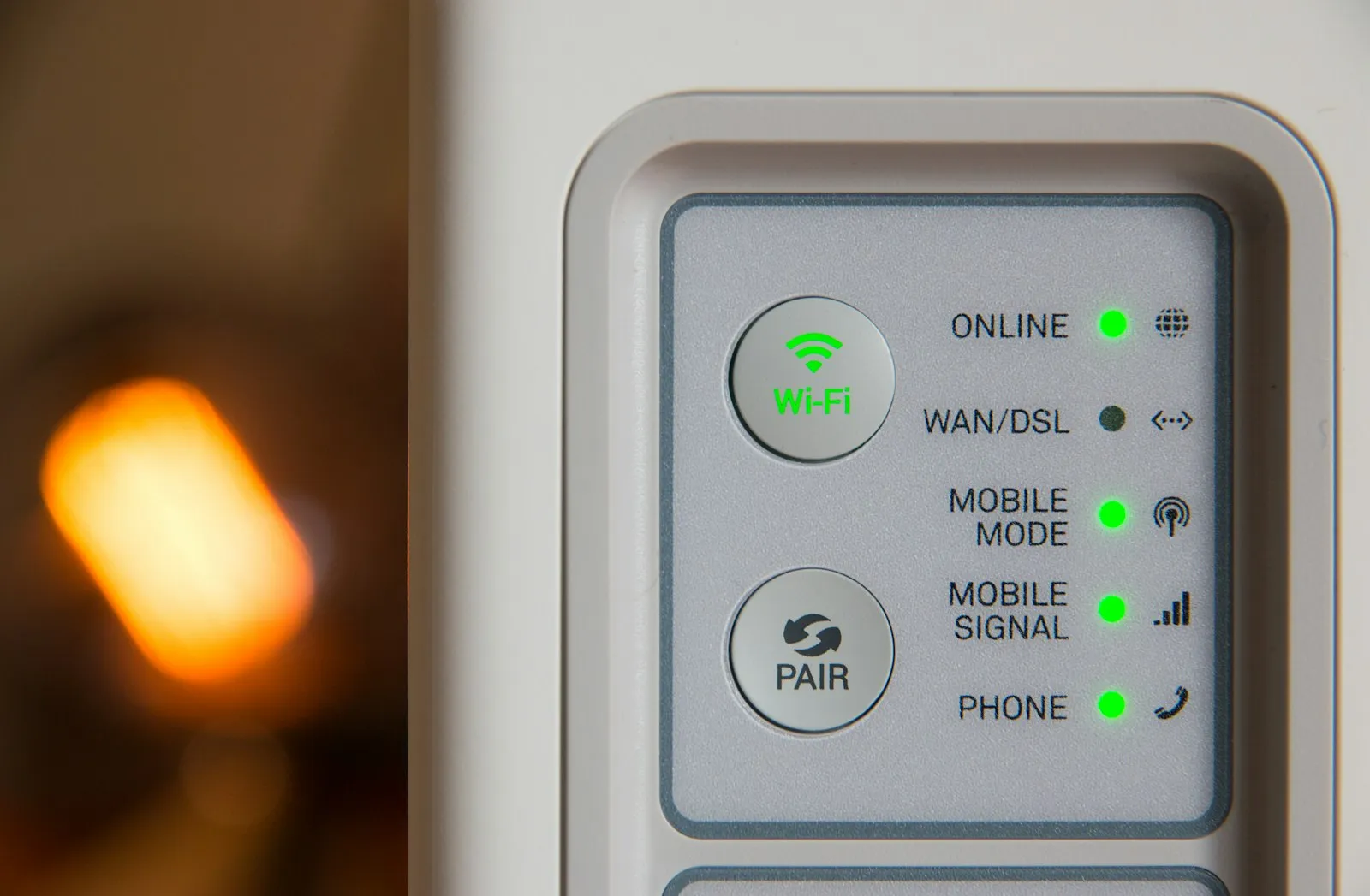
You book a pocket Wi-Fi online, collect the device at the airport, use it as a shared hotspot for the trip, then return it before you fly home. As of July 2026, expect a refundable cash deposit of around IDR 500,000 (about USD 50), a minimum rental of roughly three days, and on some services a surcharge for late-night airport pickup or drop-off. Any damage or loss comes out of the deposit. One unit typically supports several phones and laptops at once, which is the whole point: a single connection and a single bill for the group, rather than data on every device.
How an eSIM works by comparison
An eSIM is per phone: you install it from a QR code before you leave home, switch it on when you land, and there is nothing physical to collect, carry or return. No deposit, no counter, no device to lose, and your home number stays live for calls and texts. The limit is the flip side of the same coin: an eSIM covers one phone, so a group of four needs four eSIMs, and everyone's phone must support the technology (most models from about 2019 on do). If a companion has an older handset with no eSIM support, they cannot use one at all.
One device to carry, one point of failure
The biggest practical difference is that a pocket Wi-Fi is a gadget with its own battery, and a single point of failure for everyone relying on it. You carry it, remember to charge it, and stay within its range, so if two people wander off in different directions only one group keeps signal. A flat battery in the afternoon puts the whole group offline, and a lost or forgotten unit means no connection for anyone plus a lost deposit. An eSIM has none of this: each phone is independent, powered by its own battery, and one person's dead phone leaves everyone else online.
The cost-per-head reality
On pure money, a shared pocket Wi-Fi can beat separate eSIMs for a group, because one rental and one data bill divide across several people. Four travellers splitting a single unit often pay less per head than four eSIMs, especially at heavy shared usage. That maths flips for one or two people: a solo traveller pays the full rental and deposit alone, so an eSIM is almost always cheaper and easier. Be honest about how you travel, too: if the group regularly splits up during the day, the cost advantage fades fast, because only whoever holds the device stays connected.
So which should you choose?
Choose a pocket Wi-Fi if you are a family or group that mostly moves together and wants the lowest cost per head; choose an eSIM if you are solo, a couple, or a group that splits up a lot. The eSIM suits independent travel: online on landing, nothing to return, each phone standing on its own, which is why a plan such as Goodbars fits most short trips. The pocket Wi-Fi suits shared, together-all-day travel where dividing one bill wins. Some groups even do both: an eSIM on the phone that navigates, a pocket Wi-Fi for the shared laptops and the kids' tablets.