

The honest short answer
Bali runs on a mix of cash, cards and QR-code payments, and the practical rule is to carry rupiah for small daily spending and use cards or QR for bigger bills. Cashless payment has grown fast, but it has not replaced cash, and a lot of everyday life still happens in notes and coins. The three things worth understanding before you go are QRIS, the country's unified QR standard, where cards are and are not taken, and why many small places remain cash only. Get those straight and you can pick the right way to pay in each situation instead of being caught short.
What QRIS is
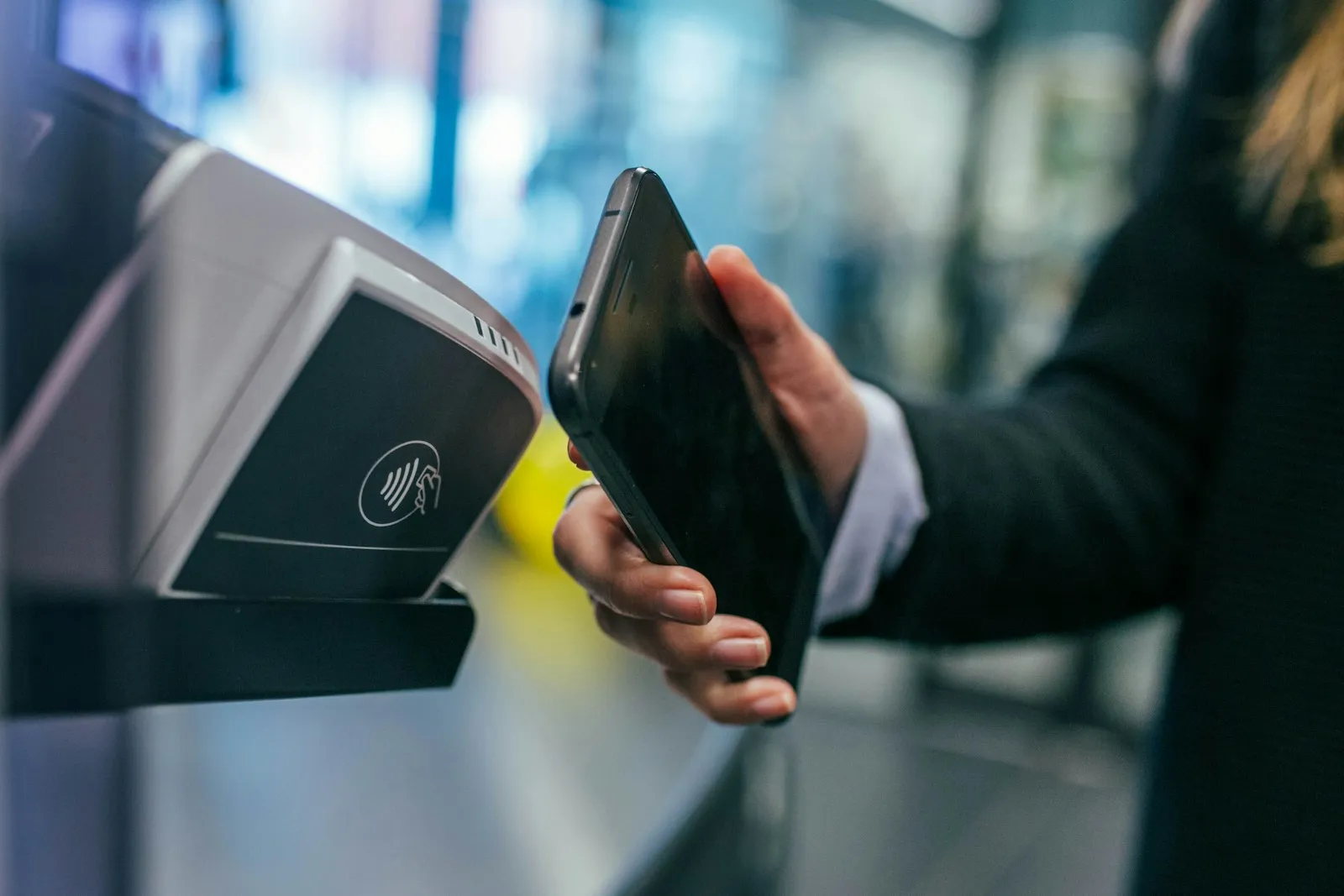
QRIS is Indonesia's single national QR-code standard, and it is accepted very widely, from cafes and shops down to small stalls and market sellers. Instead of many competing QR codes, a merchant displays one QRIS code that any supported app can scan. For locals this ties into bank and e-wallet apps, and it has spread to a lot of places that never took cards. You either scan the merchant's code and enter the amount, or let them scan a code from your app. It is genuinely convenient where your app supports it, which is the catch worth reading about next before you rely on it.
Can tourists use QRIS?
Some foreign apps and e-wallets now support cross-border QRIS, but support varies by country and app, so check whether yours works before you count on it. Indonesia has been linking QRIS with several other countries' payment systems, and a handful of e-wallets let visitors register and pay at QRIS merchants. Whether that covers your home app and card depends on where you are from and changes over time, so confirm it in the app's own terms rather than assuming. If it works for you it is a neat option, but treat it as a bonus. Do not arrive planning to pay for everything by scanning, without a fallback.
Cards, surcharges and DCC
Cards are taken at hotels, larger restaurants, supermarkets and established shops, but watch for card surcharges and always choose to be charged in rupiah. Some places add a percentage fee for paying by card, and it is normal to ask about it before you hand the card over. The other trap is dynamic currency conversion, where the terminal offers to bill you in your home currency instead of rupiah. That conversion usually carries a poor rate, so when a machine asks, choose rupiah and let your own bank do the exchange. Keep a card as a backup even where you mostly pay another way.
Cash is still king in many places
Many warungs, markets, street-food stalls and small shops are cash only, so you still need rupiah and you still need ATMs. Small everyday purchases, a local meal, a coconut, a market souvenir, are usually easiest paid in cash, and some places set a card minimum that makes cash simpler anyway. That means ATM withdrawals stay part of any trip. Our separate money and ATM guide covers using ATMs, avoiding skimming and getting a fair exchange, so treat this as its payments-by-phone companion. Carry a modest amount of cash and top up as you go.
Local e-wallets and staying connected
Local e-wallets like GoPay and OVO power a lot of payments, but they often need an Indonesian phone number or bank account, so they may not suit a short-stay tourist. Some now offer ways for visitors to register, but setup can be fiddly and is not guaranteed to work for every traveller, so do not assume you can rely on one. Whichever cashless method you use, it needs data to work, since scanning a QR code or opening an app both need a connection. A working eSIM keeps you online to pay, check a rate or call your bank. When unsure, cash always works.