

The short answer
On the network, an eSIM and a physical SIM are identical; the differences are all in handling. Both carry the same carrier credentials and connect you to the same towers at the same speeds. What changes is logistics: how the SIM reaches you, what happens if you lose or break something, and how easily it moves to another phone. Neither wins everything. And it is rarely either-or: most dual-SIM phones happily run one of each, which is exactly how many travellers use them.
Delivery and setup: download vs tray
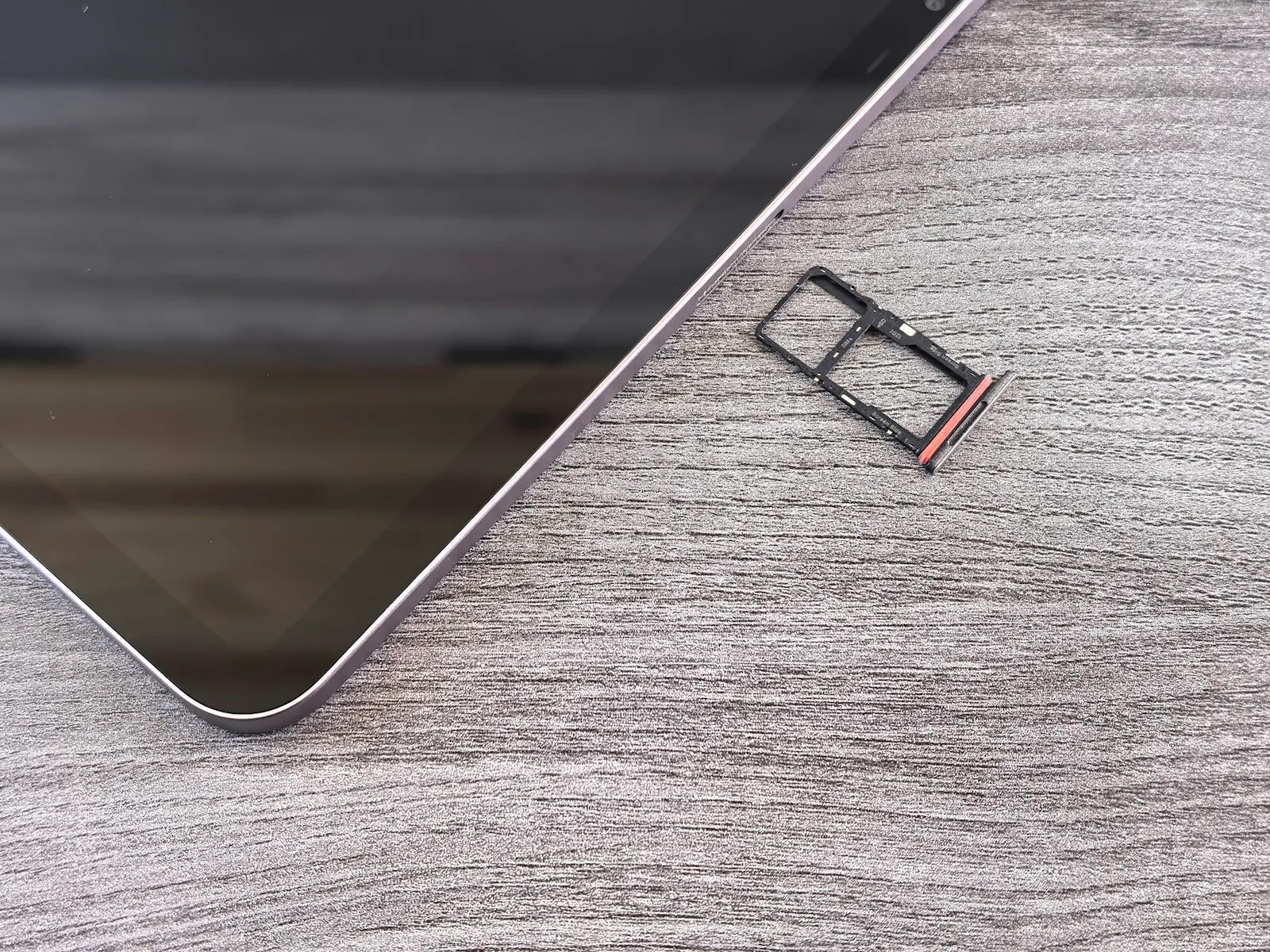
An eSIM arrives by email in minutes; a physical SIM has to be manufactured, shipped or picked up in person. That is the biggest practical gap. A travel eSIM from a provider like Goodbars can be bought at home, installed on Wi-Fi and ready before your flight boards. A physical SIM means a store visit, a delivery wait, or an airport counter, sometimes with passport registration. Setup differs too: an eSIM is a QR scan and a download; a physical SIM is an eject pin, a tiny tray, and a card you must not drop. Neither setup is hard, but only one can happen instantly from anywhere.
Loss and damage: honest in both directions
You cannot lose, snap or misplace an eSIM, but a broken phone takes the eSIM down with it. A plastic SIM can be lost in a hostel bed, damaged by a bent tray, or left behind in a swapped phone; an eSIM has no physical part to lose. The flip side deserves stating plainly: if your phone dies or is stolen, a physical SIM can be pulled out and pushed into any borrowed handset in seconds. An eSIM cannot. Recovering it means contacting the provider for a reissue, which may take time you do not have mid-trip.
Switching phones: where plastic still wins
A physical SIM moves freely between phones; an eSIM usually does not. This is the clearest eSIM downside, so no sugar-coating: a profile is tied to the phone it was installed on, and the QR code that delivered it is typically consumed on first use. Moving to a new phone generally means asking the carrier or provider to reissue the profile. Some carriers and some phones offer built-in eSIM transfer, but support is patchy and not something to count on. If you swap handsets often, the plastic card is genuinely more flexible.
Security: neither is the weak link
Neither format is inherently insecure, and the differences are smaller than the marketing suggests. An eSIM cannot be physically pulled out of a stolen phone and used elsewhere, which is a real if modest advantage, and profiles are delivered over an encrypted, standardised process. But SIM-swap fraud, the attack that matters most, targets your carrier account through social engineering, not the chip, and it affects both formats alike. The honest summary: your account security (strong passwords, a carrier PIN) matters far more than which kind of SIM you use.
When a physical SIM genuinely wins
A physical SIM is still the better choice in a few honest cases. If you switch phones frequently, the freely moving card beats a profile that needs reissuing. If you are settling somewhere for months, a local plastic SIM on a resident plan often beats travel eSIM pricing over the long run. And if your phone predates eSIM support (roughly pre-2019 for most brands) or is a region variant without the hardware, the decision is made for you. For a typical trip of days to a few weeks, the eSIM's instant delivery usually outweighs all of this; for the cases above, plastic earns its keep.