


The short answer
For most Bali trips, an eSIM is the easiest of the three real options: install before you fly, land connected, keep your own number. A physical Indonesian SIM can beat it on price for a long, data-heavy stay, and just roaming on your home SIM is the least effort but usually the most expensive per gigabyte. None of the three is wrong: they trade off convenience, cost and hassle differently depending on how long you are staying and how much data you burn through.
The eSIM route
You install it from a QR code before you leave home, on your own Wi-Fi, and switch it on the moment you land: no shop, no queue, no ID check. Your normal SIM stays in the phone the whole time, so calls and texts still reach your regular number while the eSIM handles data. The tradeoff is that it depends entirely on your phone: it has to be eSIM-capable and carrier-unlocked, which rules out older or locked handsets and a handful of phone models, including iPhones bought in mainland China. Check phone compatibility before you buy if you are not sure.
A local physical SIM
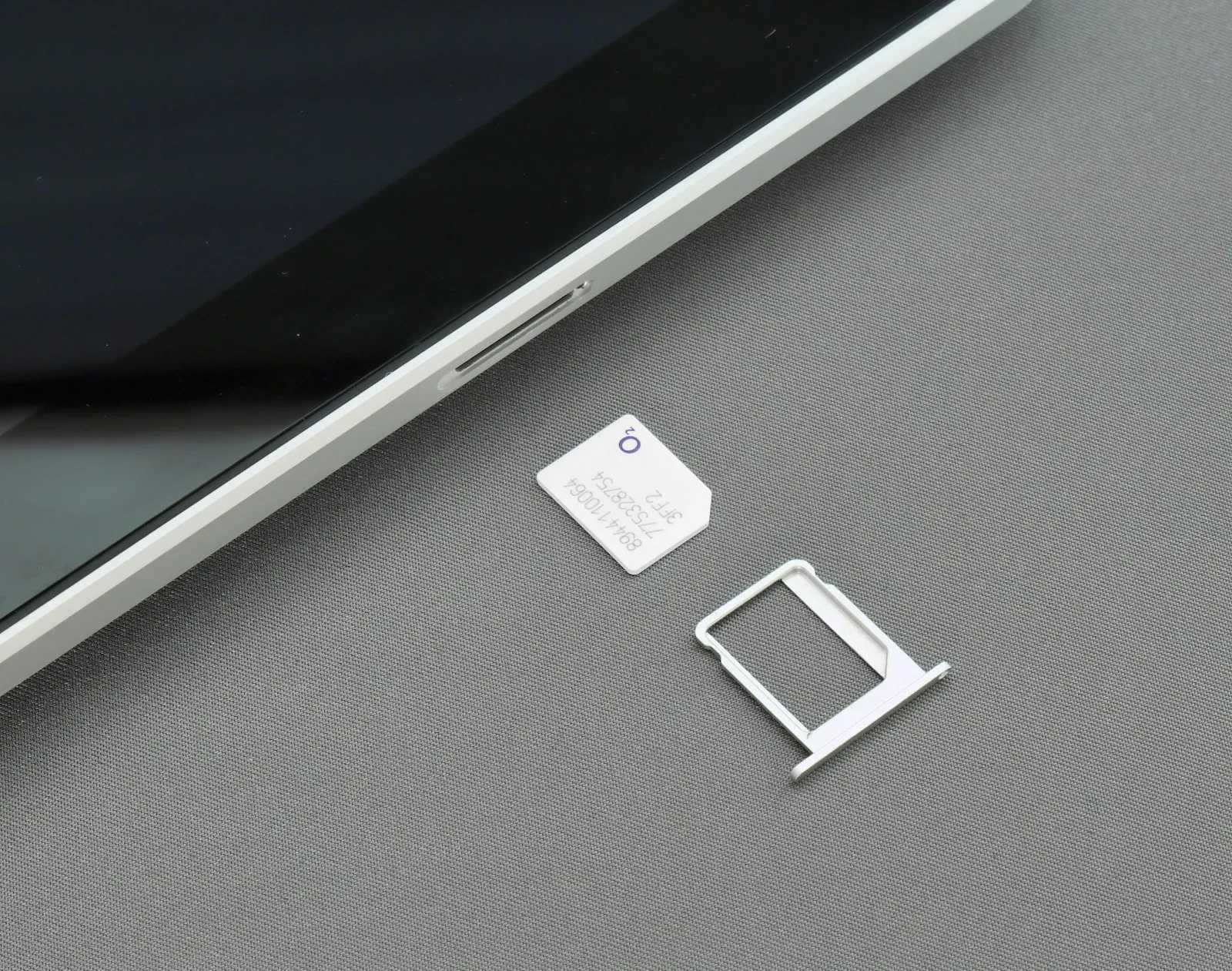
Indonesian law requires prepaid SIMs to be registered against your passport at the point of sale, so you cannot simply grab one off a shelf. That means a counter or an authorised reseller, your passport and your phone's IMEI number, and a short wait while it registers, often at an airport kiosk after a long flight. It also means swapping the physical card in your phone, so your home number stops working for calls and texts unless you carry a second phone. The upside: for a long stay with genuinely heavy data use, a local SIM can be cheaper, and it does not depend on your phone supporting eSIM at all.
Just roaming on your home SIM
The lowest-effort option is doing nothing: leave your own SIM in and let your home carrier's roaming kick in on arrival. No install, no queue, no new number to manage. The catch is cost: most home plans charge non-EU roaming by the megabyte or cap it hard, so a normal day of maps, messaging and a bit of video can add up fast, and unlike an eSIM or local SIM, you often cannot see the damage until the bill arrives. It suits a short layover or a trip where you barely need data, not a proper Bali holiday.
What the airport kiosk is actually like
If you are weighing a local SIM, it helps to know what the counter experience involves: Ngurah Rai's arrivals area has SIM kiosks, but they queue, especially when several flights land close together, and registration takes a few minutes per person once you reach the front. You will be tired from the flight and doing paperwork instead of heading to your villa. It is not a dealbreaker for a long stay, but it is the main hassle an eSIM removes by moving that step to before you even board.
Which to pick
Choose the eSIM if you want to be online the moment you land and your trip is a normal holiday or work stint: see the plans to match the data size to your trip. Choose a local SIM if you are staying for months and your data use is genuinely heavy enough that the per-gigabyte saving is worth the kiosk and registration. Home roaming only makes sense for a short trip where you barely go online. Most travellers to Bali land on the eSIM, not because the alternatives are bad, but because the convenience trade is usually worth it for a one-to-four-week stay.