


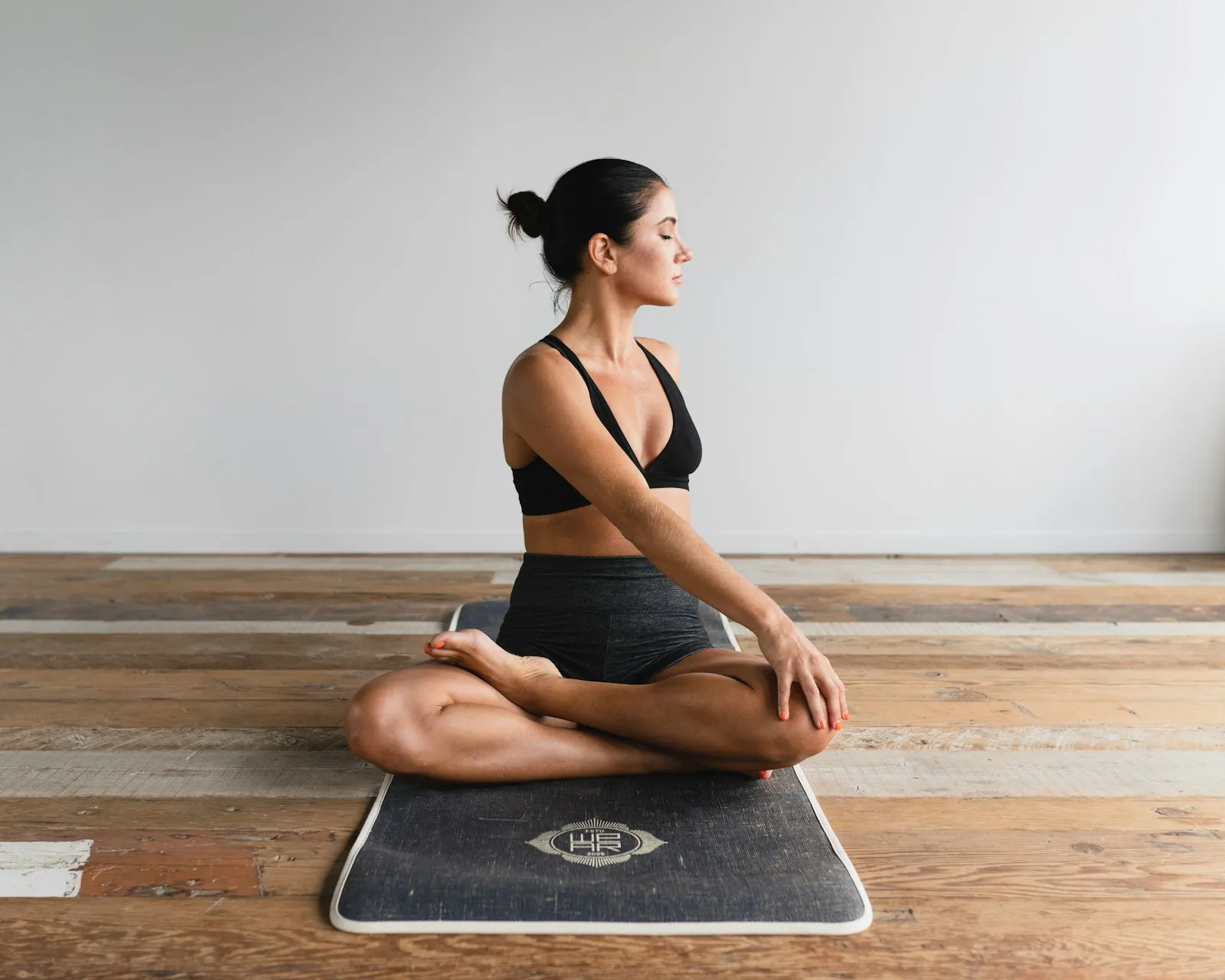
What Bali wellness is really like
Bali's wellness scene has two main centres: Ubud inland, which is the yoga and retreat hub, and Canggu on the coast, where classes sit alongside surfing and cafe life. Between them you can find everything from a casual drop-in class to a week-long residential retreat, plus yoga teacher trainings, sound healing, meditation and spa treatments. The important thing to know upfront is that quality and price vary enormously, from simple community classes to polished luxury programmes, and reputation is not always matched by the price tag. Pick the setting that fits the trip you want, then look closely at the specifics before you commit.
Ubud: the wellness hub
Ubud is the heart of Bali's wellness world, set among rice fields and forest away from the beach. Ubud has the highest concentration of yoga studios, retreat centres and plant-based cafes on the island, along with spas and meditation spaces, all within a walkable central area and the quieter neighbourhoods around it. The pace is slower and greener than the south, which is part of the appeal for people who come specifically to practise. Mornings often start with a class, and the town's healthy cafes make it easy to eat well between sessions. It suits anyone who wants to make wellness the main focus of their days.
Canggu: the beachside scene
Canggu offers a more social, beachside take on wellness, where yoga shares the day with surfing, cafes and coworking. Canggu has plenty of studios and health-focused cafes, but the mood is livelier and more mixed than Ubud, and many people combine a morning class with a surf and an afternoon of work. It draws a younger, remote-working crowd, so classes can be busy and the scene shifts quickly as venues open and close. If you want your practice woven into an active coastal routine rather than a quiet retreat, Canggu is the more natural fit of the two.
Drop-in classes: what to expect
A drop-in class is the low-commitment way to practise, and both Ubud and Canggu run them through the day. Expect a broad mix of styles, from gentle and restorative to strong vinyasa and hot yoga, plus meditation, breathwork and sound sessions, usually posted on studio schedules that change often. Classes are typically open to all levels unless labelled otherwise, and you can usually pay per class or buy a multi-class pass if you plan to return. Bringing your own mat is optional, since most studios rent or lend them. Arrive a little early, and do not assume a schedule you saw online weeks ago is still current.
Retreats: what you are booking
Retreats are the multi-day, all-in version, and they range from simple and affordable to high-end and expensive. A typical programme bundles daily yoga or meditation with accommodation, healthy meals and sometimes workshops, spa treatments or excursions, over anything from a long weekend to several weeks. Teacher trainings and detox or silent retreats also run regularly. Because so much is bundled together, the value depends heavily on the teachers, the group size and what is actually included, none of which a glossy website reliably tells you. Read recent, independent reviews, check exactly what the price covers, and confirm dates and cancellation terms before you pay any deposit.
Choosing well and staying connected
The single most useful habit here is to check current reviews, because standards shift fast and a place's reputation can lag behind reality in both directions. A studio or retreat that was excellent a few years ago may have changed hands, and a newer one may already be very good. Compare a few options, look at recent feedback rather than old testimonials, and be wary of prices that sit far above or below the norm without explanation. Since schedules, bookings and reviews all live online and change constantly, having reliable mobile data makes it much easier to check and book as you go rather than committing blind.