


The hubs and how they differ for working
Bali's remote-work scene clusters in four main areas, and each has a distinct working character. Canggu is the busiest nomad base, dense with cafes, coworking spaces and a young crowd, though its traffic and construction can wear thin. Ubud, inland among the rice fields, draws a slower, wellness-leaning crowd and suits quiet focus. The Uluwatu and Bukit peninsula in the far south trades convenience for cliffs, surf and a more spread-out, car-dependent setup. Sanur, on the east coast, is calmer and more residential, popular with older nomads and families who want an easy pace over nightlife.
The real internet and power picture
Connectivity in the main hubs is genuinely good, but treat a single connection as a single point of failure. Telkomsel gives fast, reliable 4G/LTE across Canggu, Ubud, Sanur and most of the south, and villa or cafe Wi-Fi is usually workable. Off the tourist track, in the north, the mountains or on the Nusa islands, coverage thins out, and short power cuts happen island-wide, taking routers down with them. When your income depends on being reachable, a reliable mobile data line plus the ability to hotspot from your phone is not a luxury, it is your backup for the day the Wi-Fi drops in the middle of a call.
Coworking versus cafe-working
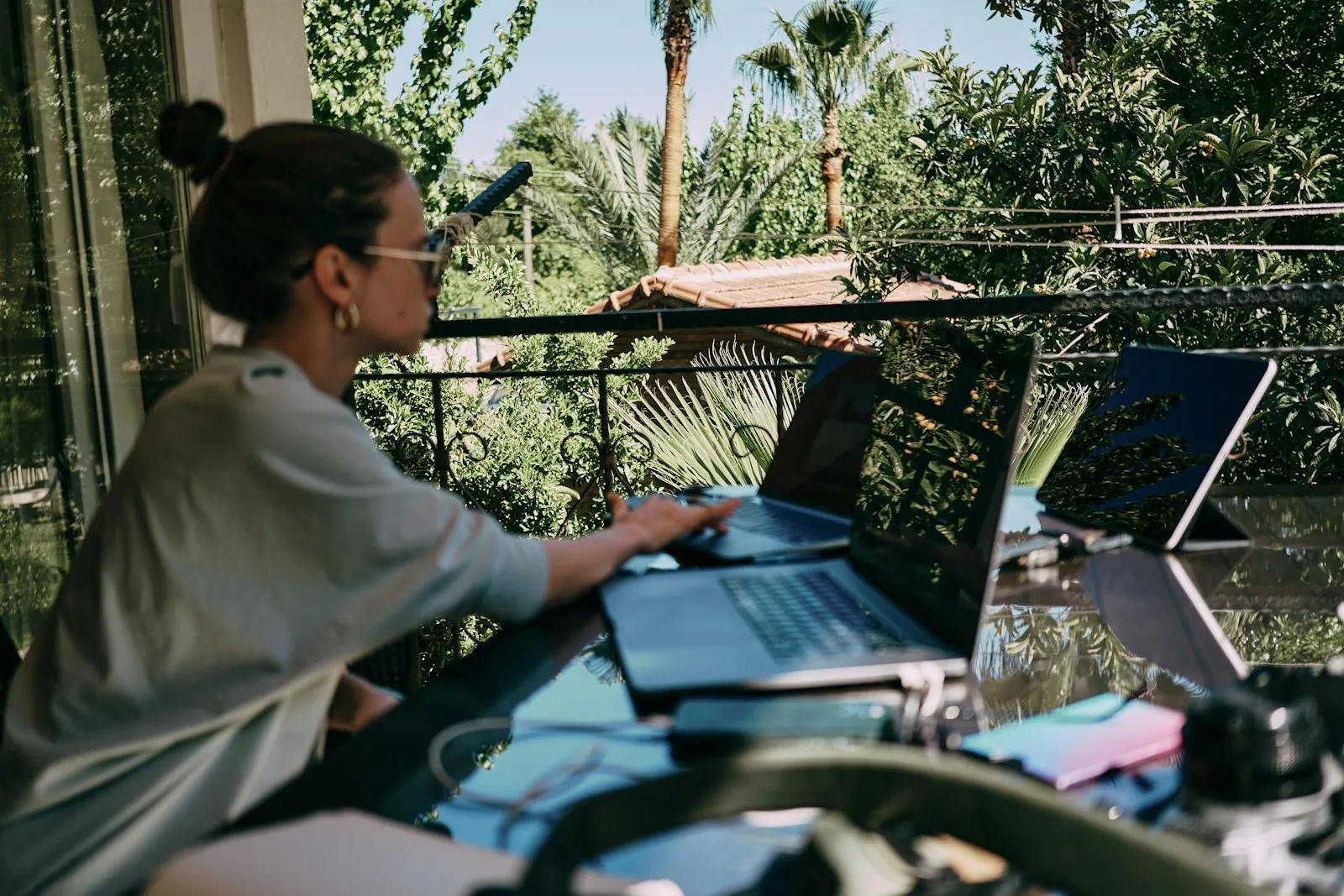
Both coworking spaces and cafe-working are well established here, and most nomads mix the two. Dedicated coworking spaces sell day passes and monthly memberships and give you reliable power, air conditioning, fast wired internet, meeting rooms and a ready-made social scene, which matters if you arrive alone. Cafe-working is cheaper and more flexible, and Bali has a deep bench of laptop-friendly cafes, but etiquette applies: order regularly, do not camp on one coffee for six hours at a busy lunch, and check a table has a plug before you settle in. For video calls, a coworking booth beats a noisy cafe every time.
The visa reality, honestly
Be clear on one thing: a 30-day visa on arrival is a tourist visa, not permission to work, even remotely. Longer or work-oriented stays use other routes, and as of July 2026 Indonesia offers a dedicated remote-worker visa (the E33G, valid up to a year) alongside older options such as the B211-style visit visas. The exact eligibility, income thresholds, fees and conditions change often and are easy to get wrong, so do not treat anything you read, this guide included, as settled law: verify the current requirements on official Indonesian immigration sources before you commit to anything. For the tourist-visa basics, see our separate visa on arrival guide.
What it actually costs to base here
Bali remains one of the more affordable places to base a remote-work life, but 'cheap' is doing a lot of work in that sentence. Local warungs, a rented scooter and a simple room cost very little, while western cafes, air-conditioned villas, coworking memberships and imported goods push a comfortable monthly budget far higher, closer to what you might spend in parts of Europe. A longer lease is much cheaper per night than nightly bookings, so most nomads settle in rather than hop around. Prices have risen with the island's popularity, so plan on real numbers you gather yourself once you arrive rather than a figure from an old blog post.
The time zone: working across regions
Bali runs on Central Indonesian Time (WITA), UTC+8, and that single fact shapes who you can easily work with. It puts you in the same band as Singapore, Perth and much of East Asia, so Asia-Pacific teams overlap comfortably inside your normal working day. Europe is roughly six to seven hours behind depending on the season, which leaves late-afternoon and evening overlap for meetings. The Americas are the hard case: US working hours land in the small hours of Bali's night, so if your team or clients are American, expect early mornings or late nights and agree on a fixed overlap window before you fly out.